Woolworths and Coles underpayment class action: What you need to know
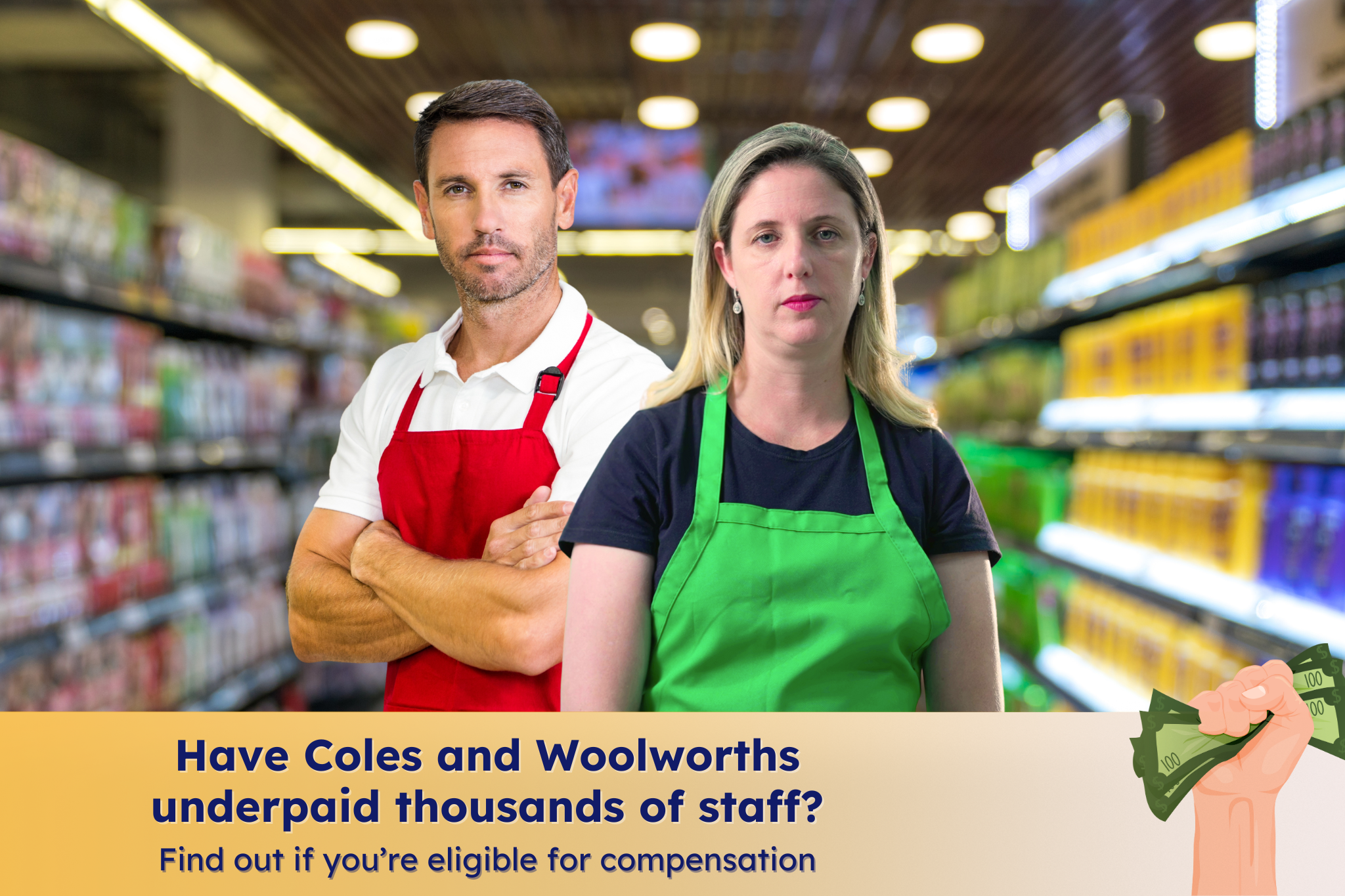
Imagine working extra hours every week, missing family dinners or weekends with friends, only to discover you haven’t been paid what you were owed. It is a painful reality for many current and former supermarket staff, who are now part of the landmark Woolworths and Coles underpayment class action.
It’s even more galling when you realise these supermarket giants generate billions of dollars in annual profits and yet can’t seem to pay their staff properly. Department heads, team leaders and store managers – people entrusted to keep the stores running from day to day – were paid salaries that did not reflect all the extra work they did or the time they gave up.
What is the class action about?
The case centres around so-called annualised salaries paired with “set-off” arrangements – contractual terms meant to cover overtime, penalty rates, allowances, and weekend or public holiday work.
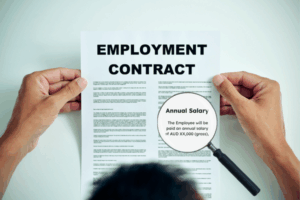
But investigations found these arrangements did not match what Coles and Woolworths were legally obliged to pay under the General Retail Industry Award, meaning those extra hours accounted for nothing.
The Fair Work Ombudsman (FWO) took the supermarkets to Federal Court in 2021, while Adero Law also filed a class action. The FWO said the salaries did not cover the hours worked or meet obligations under the award, alleging:
-
- Woolworths underpaid about 19,000 employees between June 2015 and September 2019
- Coles underpaid about 8750 employees between January 2017 and March 2020
At a joint trial in 2023, the Federal Court heard that some staff worked 13 hours a day, while others averaged shifts of 11 hours, well above the award limit of nine hours.
FWO barrister Justin Bourke argued that the entirely foreign payment structure was “like trying to put a square peg into a round hole”.
What the court has decided so far
In September 2025, the Federal Court ruled that employers can’t just balance out payments over time but must meet the minimum legal requirement in every pay period, whether that is weekly or fortnightly.
Justice Nye Perram said the two companies had breached the Fair Work Act and not met their obligations to keep accurate employment records of time worked, from overtime to penalty rates.
In his 82,000-word judgment, the judge criticised all sides for making the case unacceptably complex.
“Whilst I would not wish to [be] definitive about how litigation of this kind might be handled in the future, I am confident that they should not be handled the way these four cases were," Judge Perram said. “This should not be done again.”
A case hearing will determine next steps, including possible compensation for thousands of affected workers and potential penalties.
What this all means
Woolworths had already paid more than $300 million to affected staff, while Coles had repaid $31 million with a further $19 million set aside ahead of the judgment.
Woolworths said any further payments would require scrutiny. “We are focused on resolving these underpayment issues,” chief executive Amanda Bardwell said.
While the supermarket giants could be hit with an overall bill of up to $1 billion, the Federal Court decision has consequences that reach well beyond the retail industry.
It is likely to affect most employers whose staff are paid annualised salaries, flagging the prospect for more underpayment claims and creating uncertainty around compliance. Large employers, in particular, will be nervous about the potential for further class actions.
What you can do
If you were a salaried manager or team leader at Coles or Woolworths, or related stores such as Big W, during the relevant period, you are automatically part of the class action unless you opt out. Most class members would have received a notice from the court by letter or email between March and November 2021.
Not sure if you are eligible? Take a closer look at your payslips. Do they show your hours, penalties or overtime? Think about the hours you worked back then – was it more than your contract allowed? Save any rosters, timesheets, emails or calendar notes that could back up your case. If you are part of the class action, you may be eligible to:
-
- Claim backpay for unpaid overtime, penalty rates and allowances
- Receive compensation if the Court awards penalties
- Seek correction of your employment record
If you haven’t already done so, you can register for updates via the Adero Law website.
Why you should care
Even if you are not a supermarket employee, this affects you. The Woolworths and Coles underpayment class action is not just about individuals but about fairness. Salaried supermarket leaders trusted their commitment would be fairly rewarded. It was not. Instead, these employees were left carrying the burden of unpaid hours while billion-dollar companies raked in the profits.
The class action shows how collective advocacy can bring real accountability, even against some of the biggest corporations in the country. When individuals come together, they force companies to address systemic issues.
In his ruling, Judge Perram signalled that widespread employment practices need to change. Legal and payroll systems must better reflect the reality of working hours. Employers can not use averaging, or set-off clauses, to sideline lawful entitlements.
This case is a reminder of the impact speaking up can have. Even if you’re not part of this class action, raising issues and asking questions matters. If you’ve had a problem with a product or service, make a complaint with us and we will help you handle it.