
Electric vehicle complaints: What are your consumer rights?
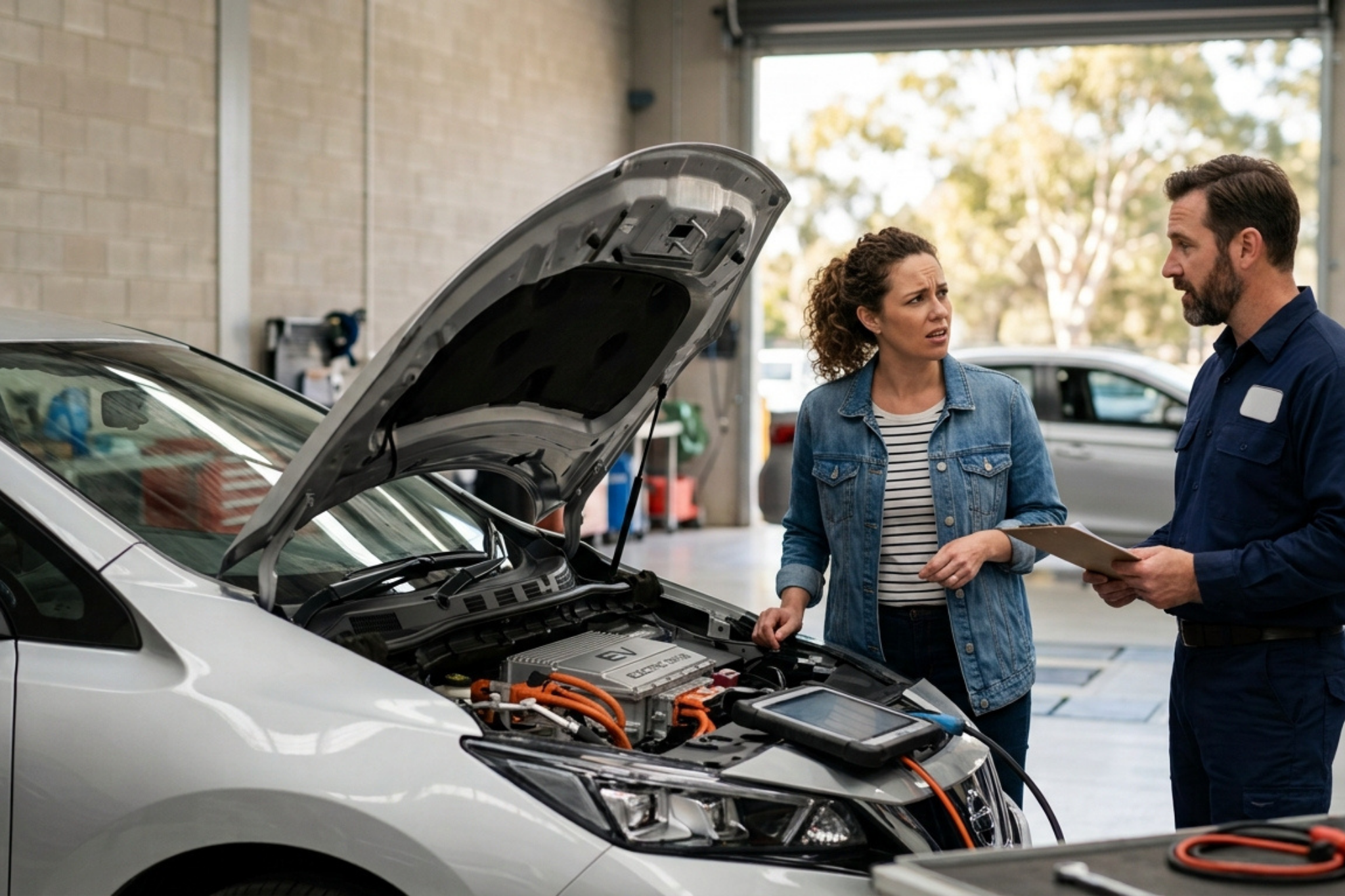
Anyone who has bought, or is thinking of buying, an electric vehicle knows there are now a lot more brands to choose from. While the options might be bewildering, it’s good to know when it comes to electric vehicle complaints, the path is far more straightforward.
If your EV hasn’t lived up to what you were promised, Australian Consumer Law is on your side. Every new and used car bought from a licenced dealer comes with automatic consumer guarantee rights, regardless of whether it’s petrol, diesel, hybrid or electric. Your vehicle should be of acceptable quality, match the description you were given, and be fit for the purpose you bought it for.
While the boom in electric vehicle sales has been good for competition, with more than 23,000 EVs bought in July alone, it is important to be aware of what your EV consumer rights should anything go wrong with your new car.
What about the manufacturer’s warranty?
Consumer guarantees are independent of any manufacturer’s warranty and a business cannot exclude, limit or contract out of them, no matter what their warranty states.
A manufacturer’s warranty is a promise the business chooses to make to win customers, and it comes with its own terms, exclusions and expiry dates.

Consumer guarantees are set by law and don’t expire just because an electric vehicle warranty period has ended. If a fault appears after your warranty runs out, you might still be eligible for a consumer guarantee claim, particularly for something like a battery that fails well short of the vehicle’s lifespan.
Even if you have bought a secondhand EV, don’t assume you have reached the end of the road with your electric vehicle complaints. Take a closer look at car warranties and how they work with your statutory rights.
What counts as a major failure?
Under Australian Consumer Law, you have the right to your choice of a replacement, repair or refund when a vehicle has a major problem. But what is a major problem?
An issue with your car is generally considered a major failure if:
-
- A reasonable person would not have bought the car had they known about it
- It is substantially unfit for its normal purpose and can’t be easily fixed
- It is unsafe or cannot be repaired with a reasonable time
So while a dashboard glitch that does not affect your ability to drive the car might be annoying, for example, a battery that won’t hold charge, or a fault that keeps the car off the road for weeks on end, is more likely to be classified as a major failure.
When can you ask for a refund or replacement?
If the issue with your electric vehicle is minor, a business can choose to repair it, and you are generally expected to let them try first.
Once a fault is classified as major, however, the choice of remedy is yours. You can insist on a refund or replacement rather than accepting another attempt at EV repairs, even if the dealer or manufacturer wants to keep trying.
This applies whether the fault is in the battery, software, or something more conventional such as the suspension. If your car is not fit for purpose, cannot be easily fixed or is unsafe, make it clear to the dealer or manufacturer that you know your rights as a consumer.
Dealers have complained about being caught in the middle, as they are legally responsible for fixing issues for consumers but car defects often require authorisation from manufacturers overseas, causing long delays in electric vehicle repairs.
What about other promises made?
Consumer protections don’t stop at mechanical faults. If a salesperson sold the EV to you on the basis of a certain driving range, a specific feature, or something else that the car does not actually have, this can amount to deceptive or misleading conduct. If what you were told does not match what you received, you may have grounds for a refund.
Salespeople might also draw you in with promotional cashback offers or manufacturer discounts, particularly when there is now so much more competition in the EV market. If a business advertised cash back as part of the deal and hasn’t paid up, that’s a debt owed to you.
Make sure you keep the original material advertising the promotion, the finance contract and any written confirmation of the offer, as these may be needed as evidence if the payment doesn’t land in your bank account.
How and where to make a complaint
Start with a clear, written complaint to the dealership where you bought the car. State the reason you are making the electric vehicle complaint, what you are asking for, and a reasonable timeframe for a response.
If that doesn’t resolve the problem, your state or territory’s consumer affairs body or civil tribunal can hear disputes about major failures, refunds and replacements.
You can also report misleading or unfair conduct to the Australian Consumer and Competition Commission (ACCC), which uses the reports to inform compliance and enforcement work. It may also become the basis for a vehicle recall, if a pattern is identified with other electric vehicles of the same make and model.
Get back in the driver’s seat
If the wheels are spinning as you try to work out whether your fault counts as a major failure, or a sales promise should be reported to the ACCC, don’t stress. Handle My Complaint will review your issue and ensure it gets to the right people, helping get you back on the road sooner rather than later.