Under the pump: The cost of fuel price gaps
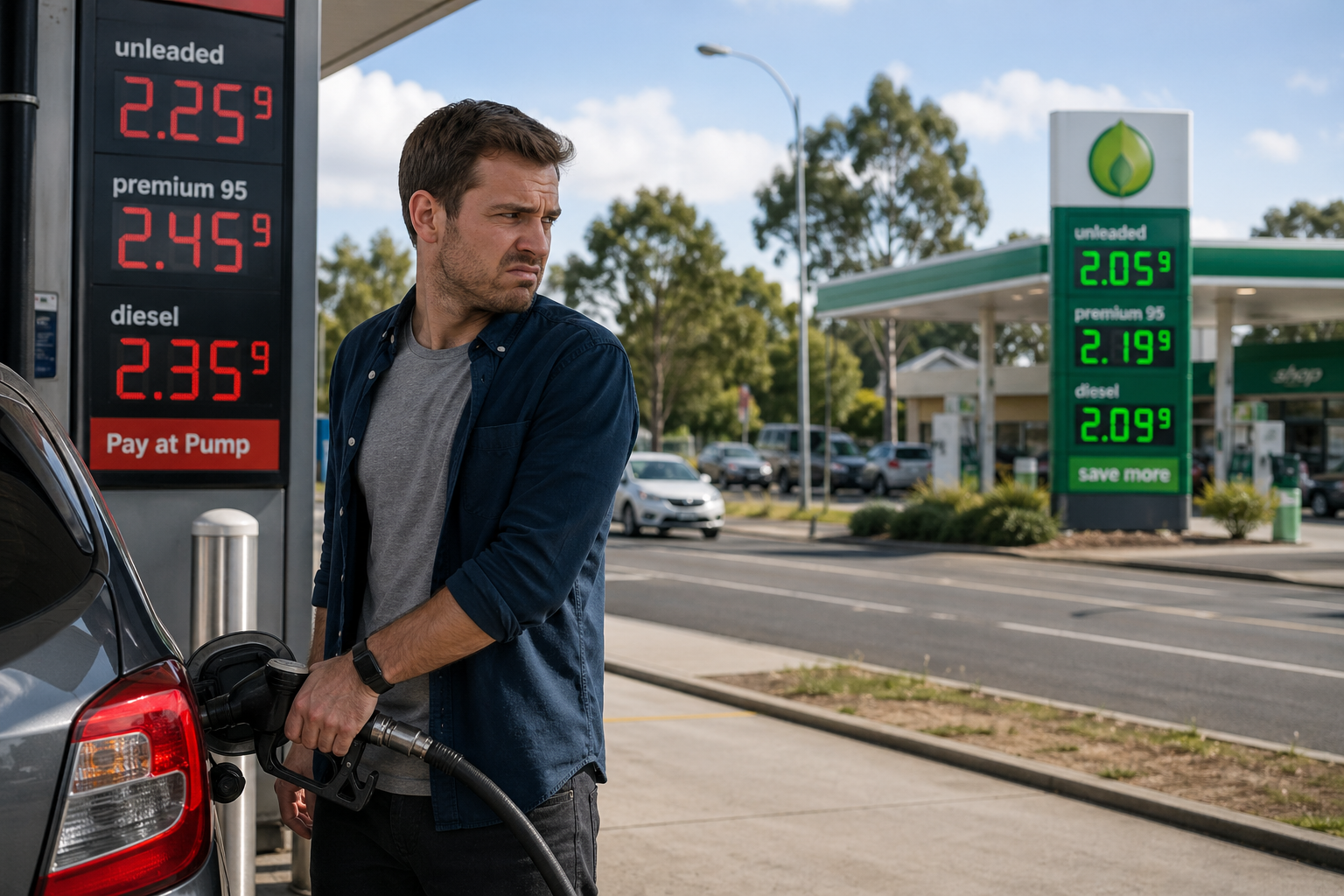
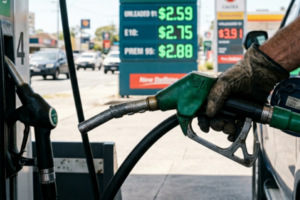
It is so frustrating to fill up the car only to find a petrol station less than a kilometre away offering fuel 10 to 20 cents a litre cheaper. We see this type of fuel price gap all the time, but is it competition or price gouging?
With the situation in the Middle East adding more pressure at the pump, we are all looking for ways to drive our fuel dollars further. While we don’t know how long this crisis will last, or its long-term impact, it is far from the only reason your petrol costs more at one station than the next.
There have long been big disparities in fuel prices. According to NMRA research, Sydney had a record gap of 59.2 cents between the cheapest and most expensive stations on the same day in August 2024 – about $30 a tank more for those unlucky enough to pay the highest.
So what is behind the petrol price gap and can anything be done?
Why do fuel prices vary between stations?
Fuel prices are not set by the government, though the fuel excise they recently cut to help ease the cost at the pump does add to the cost for motorists. Rather, they are driven by a mix of global oil prices, the value of the Australian dollar, the cost of wholesale petrol (and diesel) and competition between station owners.
In major cities, prices also follow cycles – rising sharply, slowly dropping over time, then jumping back up again. These patterns, which vary from weekly to six weekly depending on where you live, are the result of pricing decisions by retailers not wholesale prices or underlying costs. In 2024, some of these cycles lasted seven weeks, which meant drivers could easily get caught filling up at the peak without knowing.
Regional drivers feel the pain even more at the bowser. While prices tend to be more stable in regional areas, they can be more than 25 percent higher than in the cities, with consumer groups pushing the Australian Competition and Consumer Commission (ACCC) to investigate exorbitant prices.

When is a fuel price gap an issue?
Charging high prices is not necessarily illegal. “Prices that people think are too high, known as price gouging, or a sudden increase in price are not illegal,” the ACCC states.
Under Australian Consumer Law, the issue isn’t so much the price, but how that price is represented. A business can get into trouble if it:
-
- Gives a false reason for why prices have gone up
- Promotes a discount that is not genuine
- Charge for a fuel product that is not actually being supplied
- Coordinates pricing with nearby stations to limit competition
The fuel price gap between two stations a kilometre apart might seem too much but if the one charging more hasn’t breached Australian Consumer Law, there isn’t much you can do about the higher price, other than refuse to get your fuel from them in future. If the business is providing misleading fuel pricing, that is another story.
What is being done about fuel price gaps?
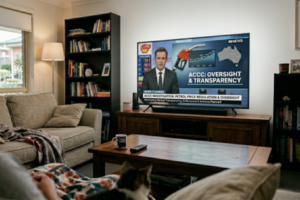
The ACCC started weekly market updates in March to provide more transparency for consumers and greater scrutiny of fuel providers.
ACCC Commissioner Anna Brakey said they had been watching pricing behaviour closely since the outbreak of hostilities in the Middle East. “We will take action against any case of misleading consumers about the reason for the steep and rapid increase in prices by individual retailers or any breaches of the competition provisions,” she said.
The Australian Government also passed laws doubling the maximum penalty to $100 million for petrol stations and suppliers found guilty of unfairly raising prices. This includes lying about price increases, price fixing and cartel behaviour.
The NSW Fair Trading has issued more than 210 fines since the ACCC beefed up its monitoring, with most of those in regional areas. In one instance, a service station that advertised diesel for $1.96 on the FuelCheck app was charging $3 per litre. The NSW government also urged motorists to use Bowser Busters, a portal for reporting price discrepancies, to report dodgy service stations over the recent long weekend.
What can you do about fuel prices?
It can be easy to feel powerless at the pump but there are steps you can take to help prevent yourself, and other drivers, from being ripped off.
-
- Compare the prices in your area. Use petrol price monitoring sites in your state or territory, such as FuelWatch in Western Australia and FuelCheck in NSW, to see what is cheapest and the differences in price. These are generally mandated by government, and provide real-time fuel price monitoring and mapping.
- Pay attention to timing. Prices move in cycles, so a sudden jump might not be unusual. Determine the pattern in your city or region and see if it changes dramatically.
- Report misleading behaviour. If the price seems deceptive, not just expensive, you can report it to the ACCC. Or to the fair trading agency in your state or territory.
Don’t let fuel price gaps catch you out
We are all trying to save money wherever we can, so it stings when we pay more than we needed to at the pump. Chances are the higher price is legal but if it feels misleading, it is worth reporting.
If you are not sure where to start, or you need help putting your complaint together, Handle My Complaint will support you through the process. You have enough to worry about.