Silverado recalls: Why repairs aren’t enough
A recall acts like a safety net. When a manufacturer identifies or is made aware of a problem with their product, they issue a recall and promise to fix your car. In theory, simple. But for Australians affected by the recall of 2021-2024 Silverado 1500 vehicles equipped with the L87 6.2L V8 petrol engine, the reality has been far messier.
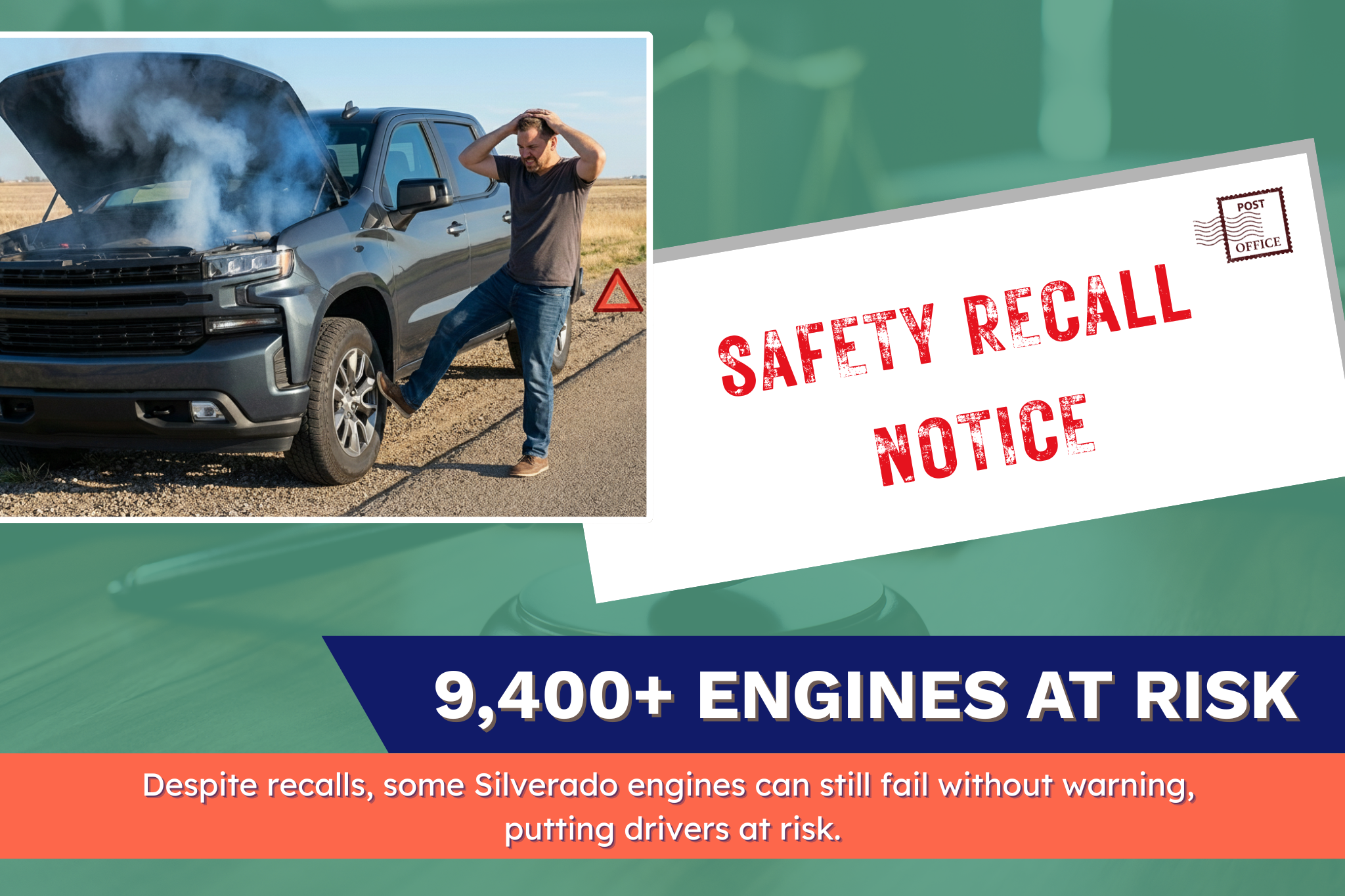
Many have experienced long waits since General Motors Specialty Vehicles (GMSV) recalled more than 9,400 Silverado 1500 vehicles in Australia as part of a worldwide action involving more than 720,000 vehicles.
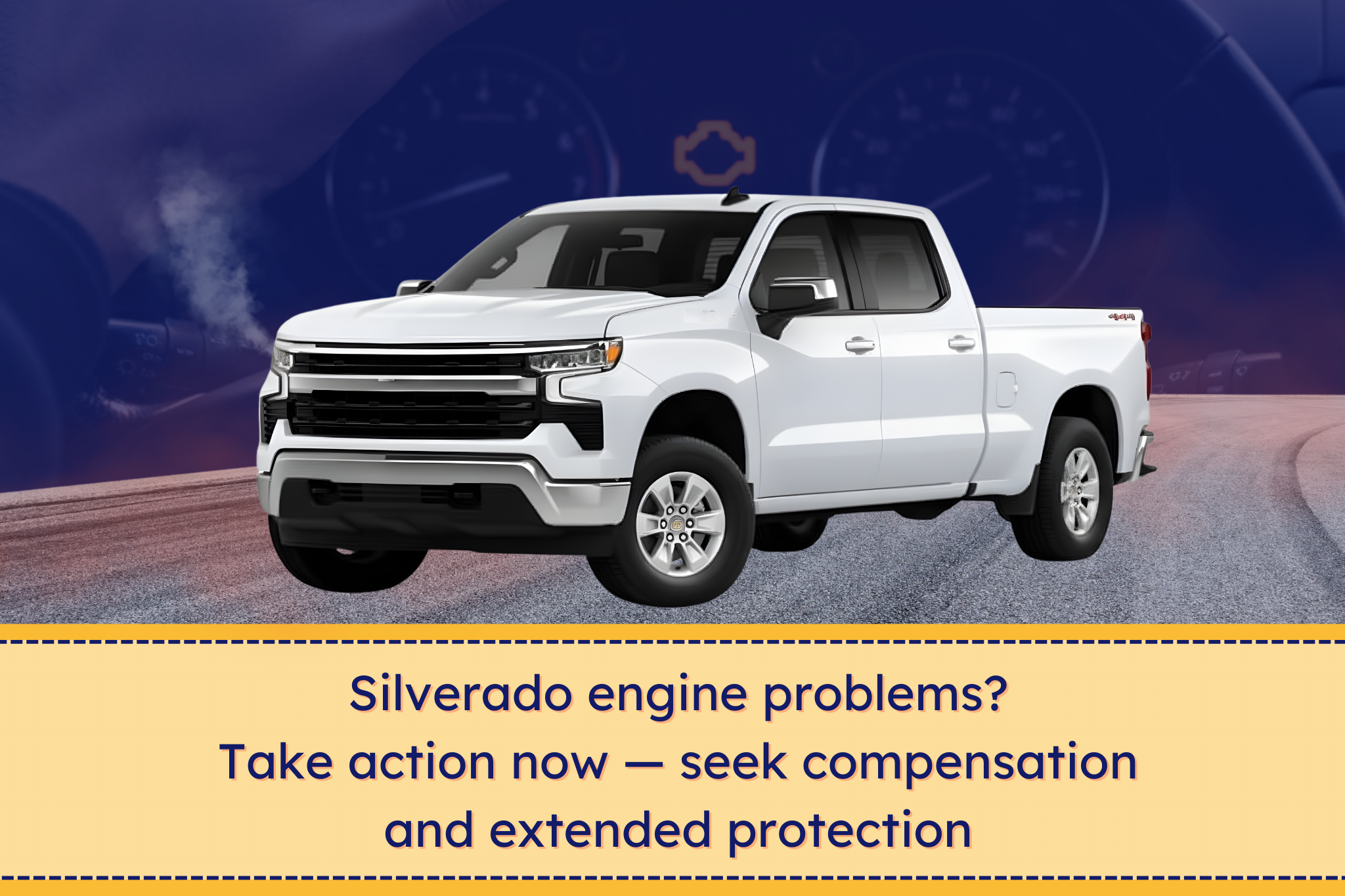
The car manufacturer was responding to pressure to address the risk of catastrophic engine failures, often without warning, in vehicles with the L87 6.2L engine. The issues can cause the engine to seize or lose power suddenly, something no driver wants to experience anywhere, let alone at speed.
A recall, therefore, was not only necessary but potentially lifesaving. So why is there a class action for owners affected by the Silverado issues?
How recalls work
In Australia, vehicle manufacturers and importers are required by law to issue a recall when there is a safety-related defect in a vehicle or vehicle component.
While it can be concerning to get a call or an email to say you need to bring your car in for repairs, the process means the manufacturer is taking the issue seriously. In an ideal situation, the issue is fixed and you are back on the road before too long.
But the recall system has several problems of its own, including that it relies on manufacturers to do the right thing, whereas in many cases they try to put the onus for repairs back on consumers. Recalls may only be issued to the original owners of the car, too, which means that if you have bought your car secondhand, you may not get a notification. The fact that registration information is held separately by each state or territory, rather than in a national database, adds to the confusion.
Ongoing issues after repairs
If you have received the recall notification and taken your car in to be fixed, you are entitled to believe it will be done without too much fuss.
Silverado owners have reported many ongoing issues that have not only caused distress but cost them time and money.
Some engines have failed again shortly after being replaced. One owner recalled that after waiting months for a replacement engine, they picked up their car from the dealer and only got 29km down the road before the second engine seized up.
Shortage in parts and labour
Delays in getting the problem fixed are also adding to the stress for owners. With hundreds of thousands of L87 6.2L V8 petrol engines being recalled globally, replacement engines and parts are reported to be on back order for months.
Some dealerships have told customers to expect waits of three to six months for a replacement engine and weeks or months for an inspection slot, followed by long delays due to limited workshop capacity.
Like most people, Silverado owners rely on their car. To add to the frustration, many bought the vehicle for work because it was pitched to them as a dependable, high-powered ute. For owners such as tradies and farmers, months without a vehicle is more than an inconvenience, it takes a financial toll.
Pressure not to disclose the problem
Some owners have complained that they were offered replacement engines only if they signed a non-disclosure agreement (NDA) that prevented them from discussing the issue.
When a recall is issued, the manufacturer should address the problem without putting any pressure on the owner. The reason for the recall has nothing to do with their care of the vehicle. The onus should be on the manufacturer to repair the vehicle honestly, transparently and as quickly as possible, rather than try to control the narrative.
Recalls don’t provide compensation
Even if your car is repaired, you are likely out of pocket on several fronts. These could include the costs of towing the vehicle; interruptions to business; and paying for other transportation.
There can also be a hit to the resale value. When a car is recalled for a significant issue, drivers lose faith in the model, and often the brand, which can force owners to sell for less than they otherwise would have.
Then there is the emotional toll of a mechanical issue, particularly something like a sudden loss of power on a busy road or highway. You may have feared for your safety, or your family’s. Even if you haven’t had a breakdown, you may be very nervous about getting behind the wheel in case it happens.
Recalls fix mechanical issues, not the disruption or distress that defect has caused.
Why the class action matters
Class actions are expensive and can take time to go through the courts, but they are often the only way to hold manufacturers to account and ensure consumers are properly compensated.
The Silverado engine defects class action will examine not just the engine problems, but also when GMSV knew about them, and whether they acted quickly enough to alert owners. This class action is seeking compensation and extended protection for those affected.
If you've owned or leased a Silverado 1500 fitted with the L87 6.2L V8 petrol engine, we urge you to register your interest. It is free, only takes a few minutes and will help legal team assess your eligibility for compensation.
You are entitled to feel safe in the car you drive, just as all Australians should feel safe on our roads.
Handle My Complaint is publishing this information under a commercial partnership with Johnson Winter Slattery, the lawyers for the lead applicant in the class action, the costs of which will be reimbursed by CASL, the funder of the class action.