Consumer rights: What to do about unexpected fees
Unexpected fees have a sneaky way of piling up. A bank charge here, a processing fee there, or the renewal of a forgotten subscription, and suddenly your budget tightens. As Australians try to stay on top of bills, it is important to know your consumer rights when it comes to unexpected fees.
We often lose track of fees because they’re small, poorly explained, or buried in fine print. Instead of saving money when you need it most, these small amounts could soon add up to hundreds of dollars over a year.
The good news? You are far from powerless and there are clear steps you can take when unexpected charges appear.
Understanding unexpected fees
The first step to avoiding unexpected fees is knowing where to look for them. They generally fall into one of these categories:
Bank and financial fees
These include account-keeping fees, overdraft or dishonour fees, and international transaction or currency conversion fees. Financial institutions must clearly disclose fees upfront and fees must not be misleading or hidden. The Australian Securities and Investments Commission (ASIC) has taken legal action against banks that failed to disclose fees or misled consumers.

Subscription renewals
Streaming services, apps, gyms, and software often auto-renew unless cancelled. Perhaps you saw a half-price introductory deal for an exercise app on your phone, thinking you’d try it, and then promptly forgot until it automatically renewed the following month for the full price. It’s a common problem, with research showing the average Australian spends more than $1200 a year on forgotten subscriptions.
Payment surcharges
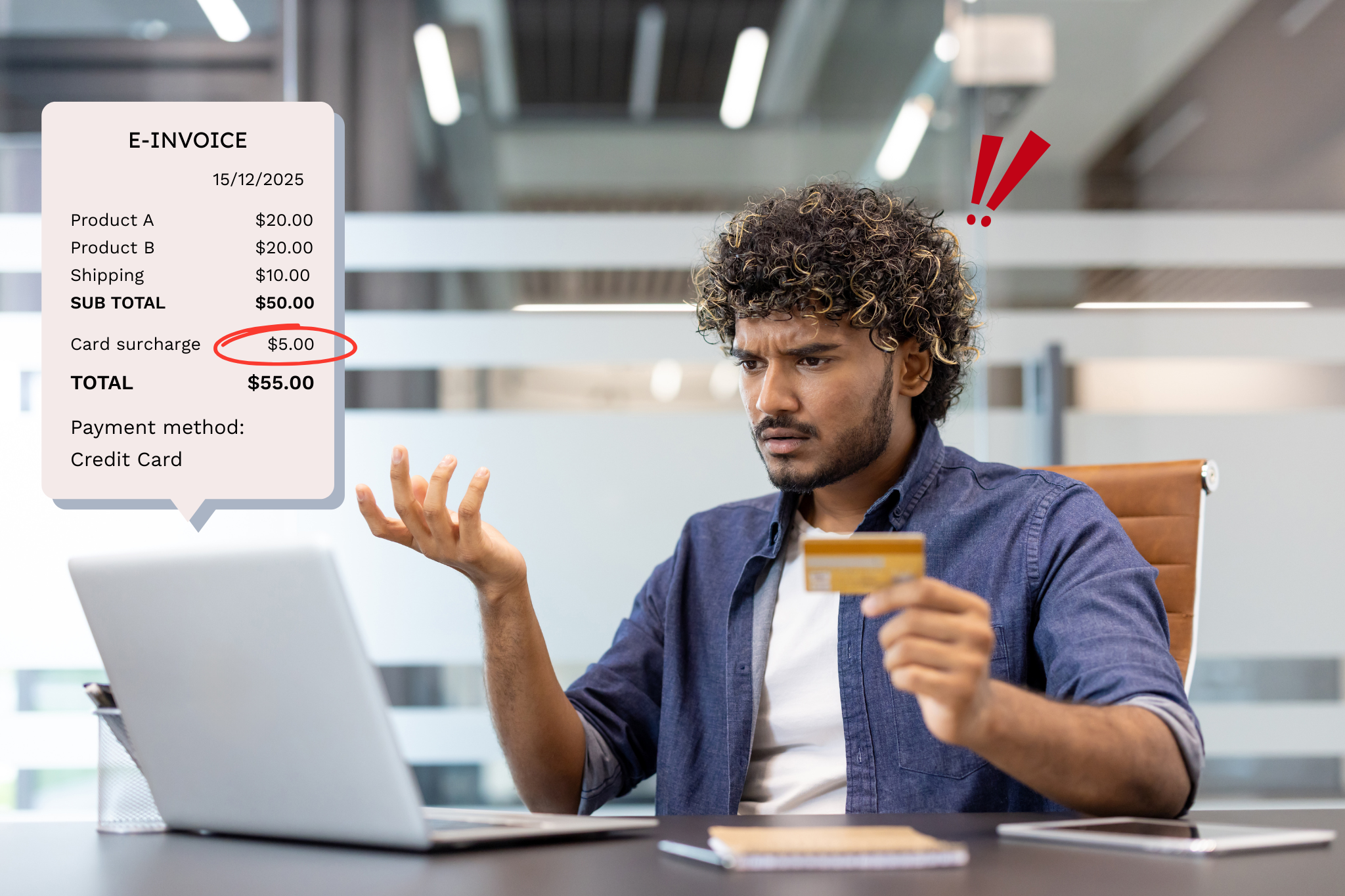
Businesses may charge card surcharges, but only to recover the actual cost of processing payments. Excessive surcharges are illegal under Australian Consumer Law (ACL). It’s not always easy to spot when you’ve been hit with a surcharge, however, so it pays to be vigilant.
Service or processing fees
Airlines, ticket sellers and retailers sometimes add vague fees when you're checking out online. Under the ACL, the total price must be clearly disclosed before payment, not revealed at the last moment.
Stephanie Tonkin, Consumer Action Law Centre CEO, says the more transactions move online, the higher the potential for hidden fees. “People are becoming irritated by hidden fees which stack up and are a growing financial burden,” she said. “There should be upfront clarity about what a service costs with all the associated fees.”
Your legal protection
The Australian Consumer Law affords protection to all consumers, including in the setting of pricing and fees. Under the ACL:
-
- Prices must be clear, accurate, and not misleading
- Fees must be disclosed upfront
- Businesses must not engage in unfair contract terms
- Consumers have the right to question incorrect or unfair charges
Businesses cannot rely on fine print to justify misleading pricing or undisclosed fees. If a fee wasn’t clearly explained, wasn’t agreed to, or doesn’t reflect actual costs, you may have grounds to dispute it.
Spotting an unexpected fee
Check the details
Start by reviewing your invoice or receipt, account statement and terms and conditions or contract. Look for when the fee was applied, whether it was disclosed when you signed up, or if there was any mention of automatic renewal or surcharges. Regularly review statements as part of maintaining control over your finances.
Contact the business
Reach out directly to the business concerned. Be calm and clear. It could be a genuine mistake. Explain the charge and why you believe it is incorrect. Ask politely for a refund or fee reversal. Many fees will be released at this stage, when the person involved realises you understand your consumer rights.
Keep records
Always document your emails and transcripts from any online chats. Keep receipts and invoices, as well as screenshots of advertised prices. This evidence can be helpful if you need to escalate the dispute.
Take it further
If the business refuses to help, ask to speak to a supervisor or to the complaints team. Raise your rights under Australian Consumer Law. Request a written response outlining why they are refusing to refund the amount.
Avoiding unexpected fees

The more vigilant and careful you are from the outset, the better equipped you will be to ward off unexpected fees.
-
- Read your contract carefully. Watch for automatic renewals, fee increases without notice, and any exit or cancellation fees. Auto-renewals are a common consumer trap.
- Set reminders. Use your phone or a money saving calendar to cancel free trials before they end, review annual renewals and track bill due dates. This small habit will help protect your budget long term.
- Monitor statements. Checking your account weekly, if not daily, will help you catch problems early. This is a strong defence against unauthorised transactions and easier to do now most of us have access to a banking app on our phones.
How we can help
Sometimes, despite your best efforts, the business won’t budge. If you feel you have been unjustly charged and deserve a refund, make a complaint with us.
Handle My Complaint helps Australians get what they deserve. Rather than spend hours going around in circles, our expert team can dispute unfair or incorrect fees, escalate unresolved complaints, navigate consumer law and recover funds where appropriate. We aim to reduce stress and protect your consumer rights.