Food safety complaints: What you can do
Found out your “dairy-free" yoghurt isn’t what it says on the packaging? Perhaps the meat you bought for dinner has gone off well before the use-by date. Whatever the issue is, it is important to raise food safety complaints with relevant authorities.
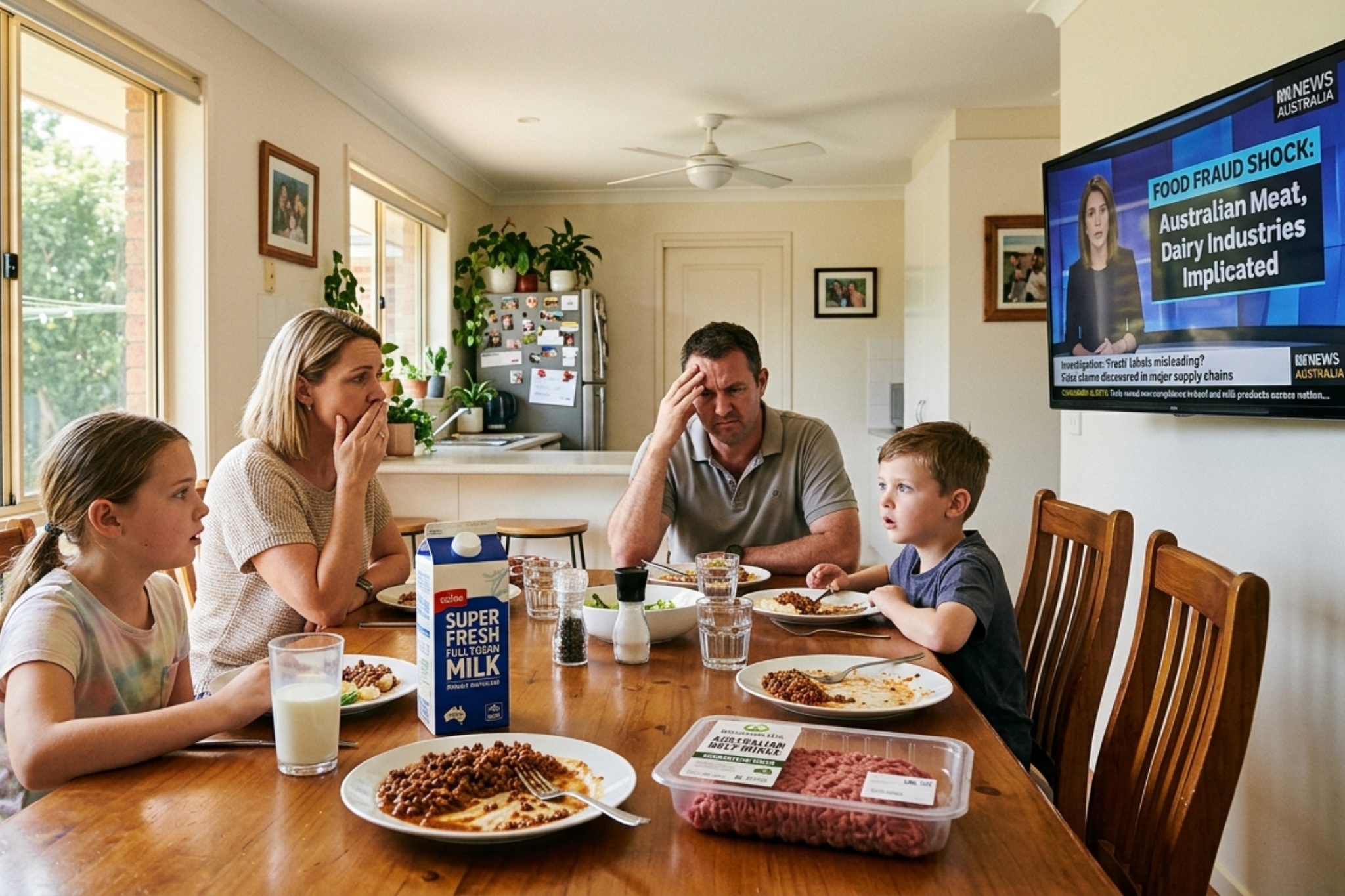
After an ABC investigation revealed serious breaches of food safety – including vodka containing an ingredient found in paint stripper – as well as food fraud, the Australian Competition and Consumer Commission (ACCC) announced an inquiry into the damning claims.
While it shouldn’t be up to consumers to ensure food is safe and is what it says on the label, there are steps we can take to help improve the system for everyone.
What are my consumer rights?
All food sold in Australia must comply with the Food Standards Code. This outlines mandatory requirements in Australia (and New Zealand) “to ensure safety, quality and accurate labelling”.
The code covers everything from food labelling and warning statements (such as potential allergens) to food additives and processing. It also breaks down the standards for specific types of food, such as meat, honey, eggs, sugar and alcohol.
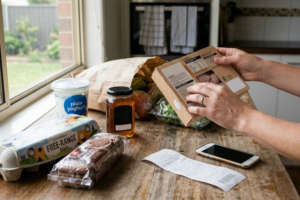
Food products should be safe, of acceptable quality and match the description on the label, or you may be entitled to a refund or replacement. In serious cases, such as the $25 million settlement for Victorians who fell ill after drinking soy milk with unsafe levels of iodine, you may be entitled to compensation.
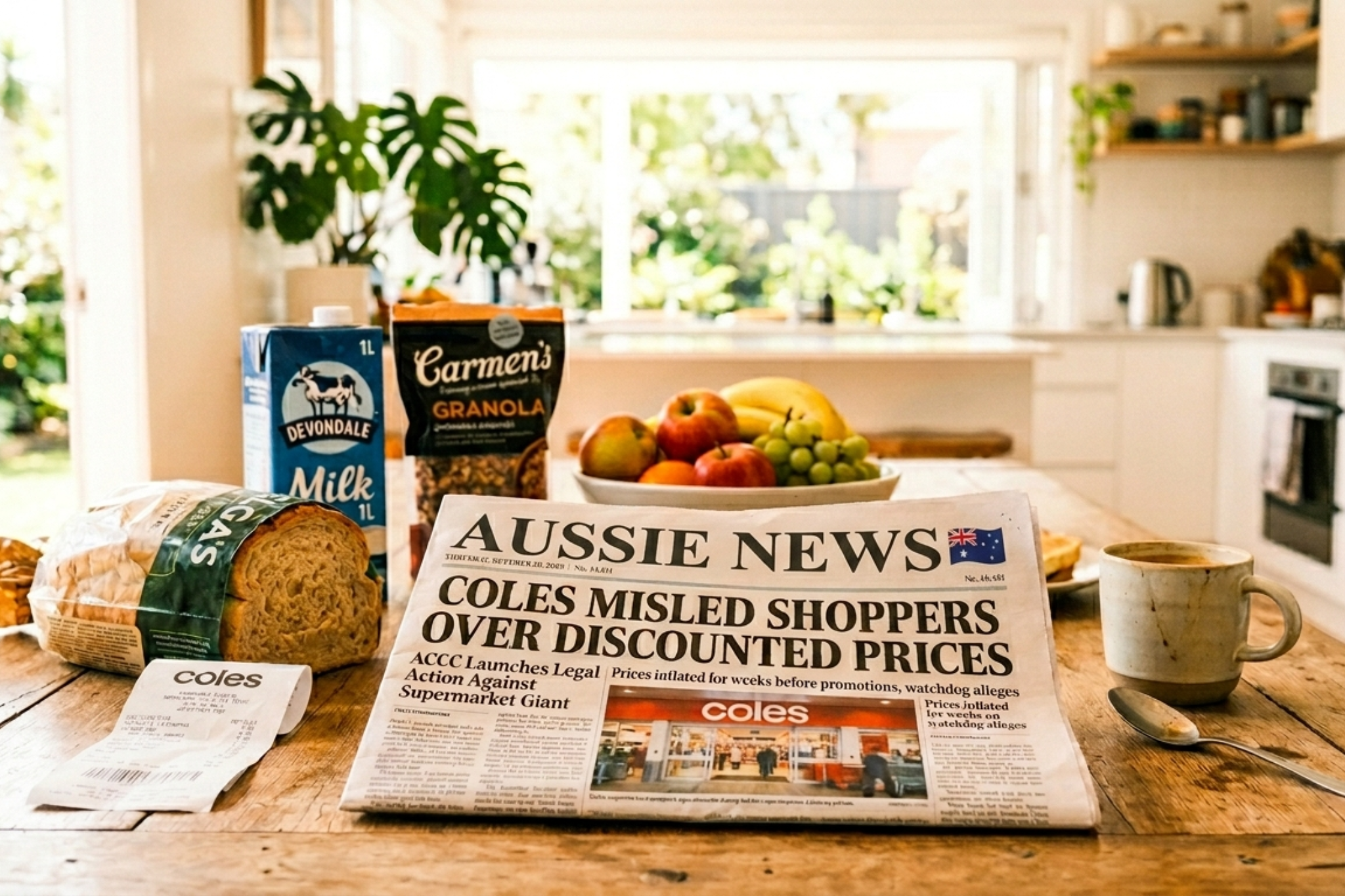
The ACCC issued Lactalis with three infringement notices for making false or misleading representations by labelling two of its products as “fresh milk” when they contained powdered ingredients. The company removed the word "fresh” from the labels and paid $59,500 in penalties.
Forensic testing done as part of the ABC investigation found that tomatoes sold as Italian or Australian were from China. As per Australian Consumer Law, “country of origin claims must be true, accurate and based on reasonable grounds”. The food may still be safe to eat, but if you bought tomatoes because the label said they were from Australia, you did not receive what you paid for.
Businesses must be able to back up claims about the origin of food, or what it contains, or they are in breach of the law.
What if I suspect a food safety issue?
If you think something is off with a food item you bought, there are a few simple steps you can take.
-
- Stop consuming the product. If it tasted strange or “off” the first time, it’s not worth the risk to your health.
- Keep the packaging and batch details. These are what manufacturers and regulators need to trace a problem back through a supply chain.
- Check if you still have the receipt. This will help you get a refund at the point of sale.
- Take photos and document the issue. If someone in your household becomes sick, for example, note what was eaten and what the symptoms were.
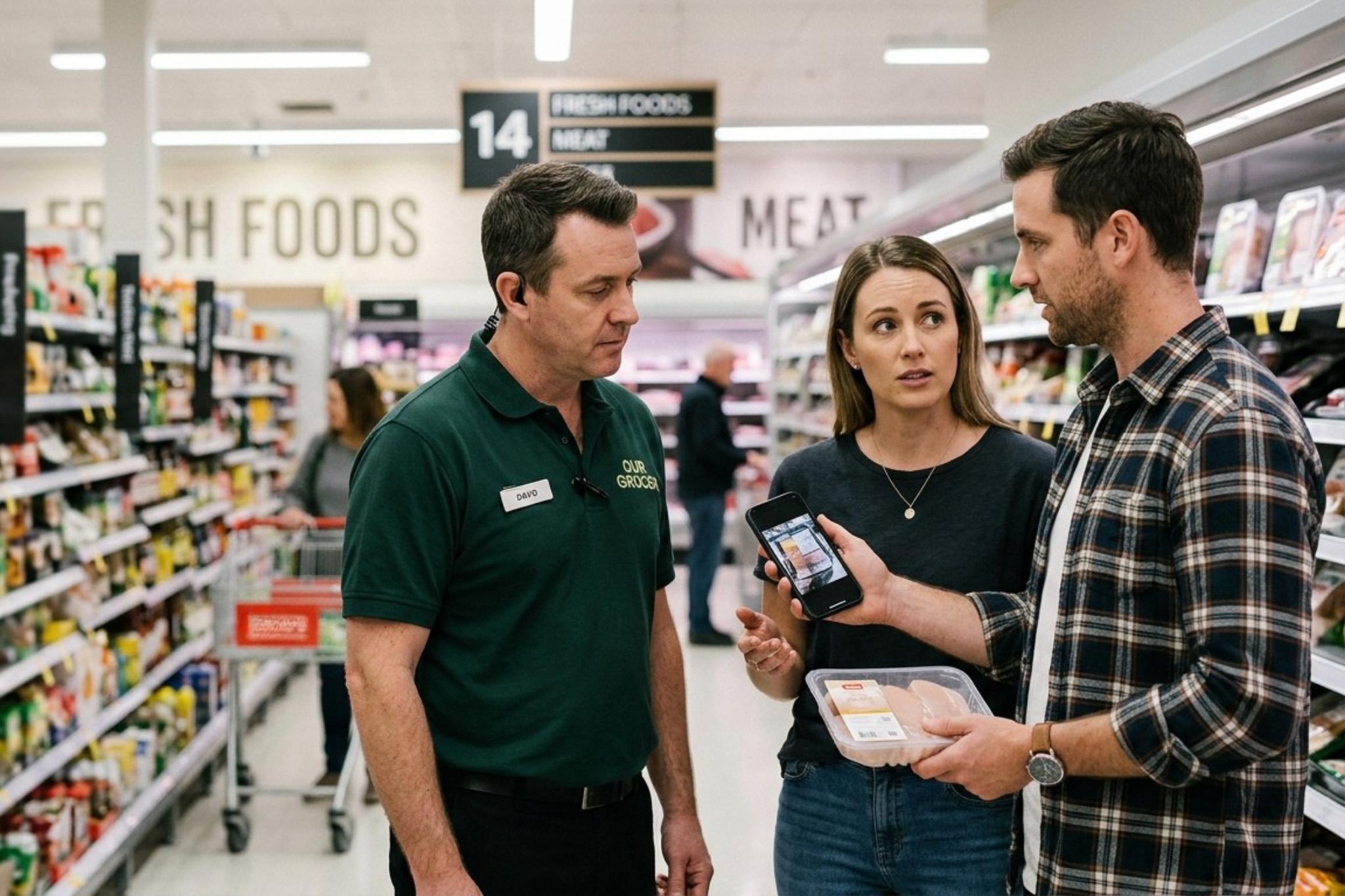
- Contact the retailer or manufacturer. This is usually the best way to get a refund and will alert the business to any issue with the product.
If the retailer is being unhelpful and refusing to refund your money, you can make a complaint against the supermarket or relevant outlet.
Where do I report food safety breaches?
Even if you get a refund, it may not resolve the issue. It’s worth making a food safety complaint to the appropriate state or territory food authority if you think what happened to you might affect more people and is not a one-off genuine mistake.
If there is contamination (such as plastic or glass in food), a product has made you unwell, you are concerned about misleading labelling, or suspect food fraud, don’t be afraid to take it further.
While FSANZ sets the food standards, states and territories implement and enforce those standards.
The regulatory body varies depending on where you live. In New South Wales, complaints can be lodged directly with the NSW Food Authority, for example, while some states and territories have up to four bodies handling different areas of food safety or compliance. See the FSANZ’s list of food regulatory agencies for the best local contacts.
Why consumer complaints matter
A single transaction or issue doesn’t tell anyone much about the scale of a problem. You might think the underweight carton of eggs you bought, for example, was a one-off but if you report it and so do a handful of others from different stores, suddenly it looks like a pattern.
This pattern, in turn, can trigger a formal investigation, a food recall and an enforcement action, such as the penalties against Lactilis for its fresh milk claims.
It also helps other shoppers, preventing illness or a potentially fatal allergic reaction in off or mislabelled food, and alerts authorities to potential food fraud.
With the ABC investigation raising concerns about the amount of false origin claims, adulteration of food, and misleading labelling that may be going undetected under our food regulation system, we all need to pay more attention when we buy our groceries – and raise the alarm when we suspect something is not right.
Food fraud? Don’t swallow it
Have you raised a food safety or labelling issue with a retailer or manufacturer and hit a wall? Perhaps they haven’t responded, are refusing to acknowledge it is a problem, or you’re worried that other people may get sick or be misled.
Handle My Complaint escalates stalled and unsatisfactory complaints to the right authority. When you make a complaint with us, you don’t need to know who to speak to or how to phrase a formal complaint to get the best possible outcome. We will do it for you.
Food should be safe and honestly described. When it isn’t, raise your voice and help protect all Australians.