Coles case: What it means for you
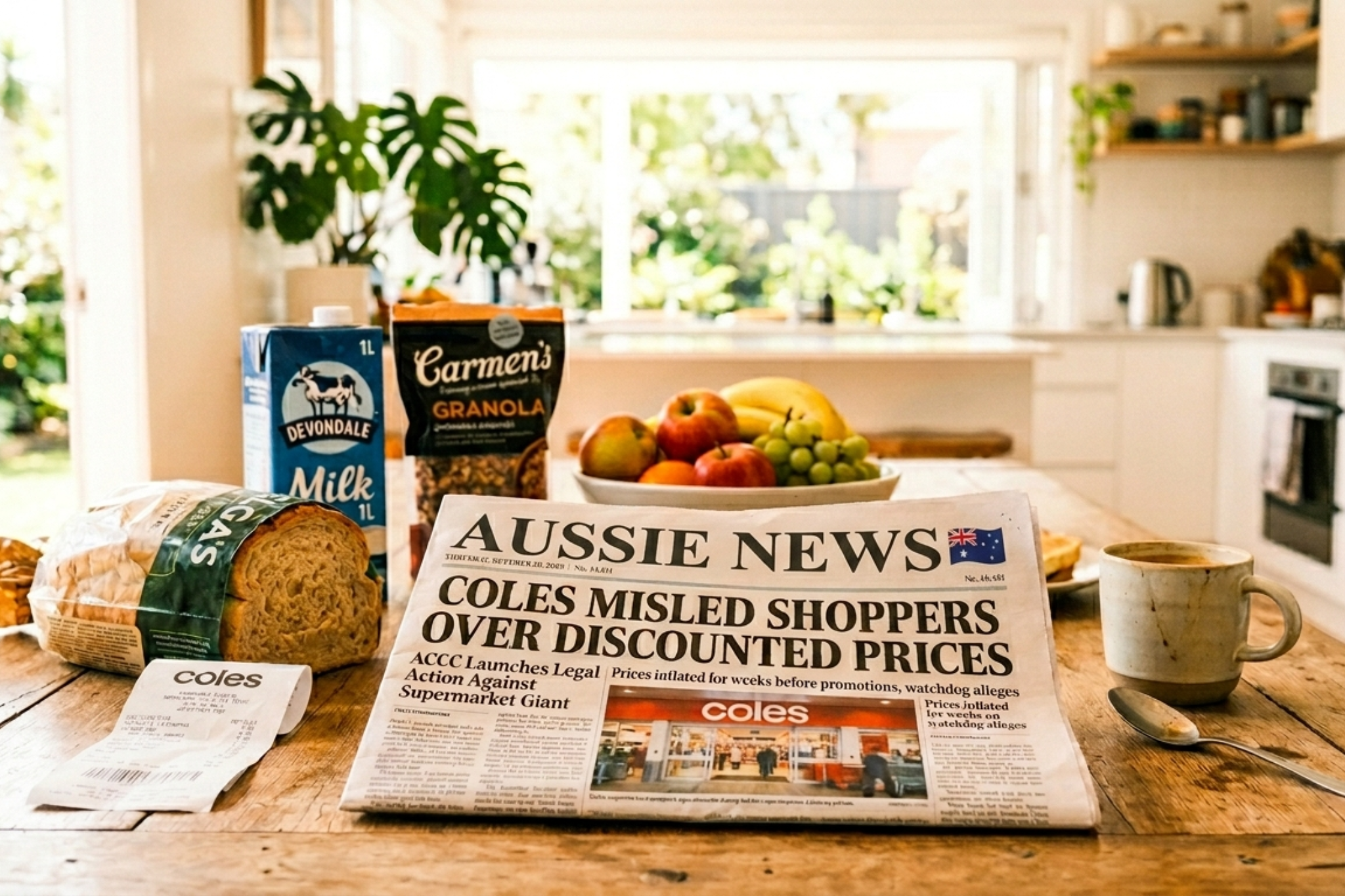
With the Federal Court finding Coles misled Australians over discounted items, you might be thinking twice about those specials going Down Down.
Australian Competition and Consumer Commission (ACCC) chair Gina Cass-Gottlieb said the landmark ruling “increased transparency and accountability in relation to Coles’ Down Down program”.
She said the consumer watchdog had brought the case against Coles, and another against its main rival Woolworths, in the public interest.
“We understand how important it is for consumers to get value for their supermarket purchases and decided to take action to test the discounting practices in court,” she said.
While it is too early to determine the full effect of the ruling, with both the penalties for Coles and the case against Woolworths still to be decided, there are some key lessons for consumers and retailers.
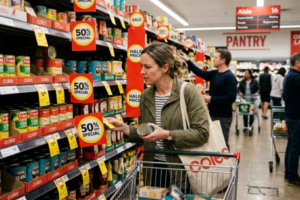
The timing of specials
Key to Judge Michael O’Bryan’s decision was the timing of the Coles “specials”. He acknowledged that the price rises for the items brought to the court were commercially justifiable, but the discounts were still misleading.
This came down to when the supermarket giant advertised these discounts. By breaking its own guardrails — the time an item must sit at a higher price before it can be discounted — by up to eight weeks, Coles was misrepresenting the sale amount to consumers.
“If Coles had offered the products for sale at the ‘was’ price for 12 weeks, the Down Down tickets would not have been misleading,” Judge O’Bryan said.
So, if you see an item on special just a few weeks after the “was” price, the discount may be questionable.
The way we shop
In his ruling, Judge O’Bryan noted that many ordinary shoppers are “not well-educated or commercially astute”. “Most consumers want to spend as little time shopping for groceries as possible,” he said.
While we might argue that Australian consumers are more astute than they are given credit for — their many supermarket complaints did, after all, lead to an inquiry — it is true that we are time poor. We are busy and want to get our shopping done as quickly as possible, without having to analyse prices.
Retailers should not be able to engage in sneaky tactics, where items are pushed up for a short time just so they can drop them — often at a “sale” price lower than the original cost of the item.
Retailers also know that we respond to a sense of urgency, that if we don’t buy today that deal will be gone. And that sale signs in bold red colours and language such as “two for one” or “buy one, get one free” works.
But just because something is on sale doesn’t mean it is a deal. Consumers need to be able to trust that a discount is real, not just a clever marketing tool.
Dodgy discounts also affect retailers who do the right thing. “Misleading conduct not only harms consumers, it harms law-abiding competitors,” Ms Cass-Gottlieb said. “So there is a consumer harm and a competition harm that the ACCC is concerned about.”
Supermarket promotions can be tricky — do they really save you money, or just encourage you to spend more? We want to hear about your grocery shopping habits — from where you shop to your thoughts on delivery services. Share your experience in our quick survey and help us advocate for greater transparency and lower prices at the checkout.
Concerns over prices
Some experts have argued that the finding could have unintended consequences, including shoppers paying more overall.
Barrenjoey analyst Tom Kierath told the Australian Financial Review (AFR) that while the Coles judgment set clear rules for price establishment before a promotion, with 12 weeks likely to become the norm, it could also result in fewer discounts.
“Coles will change the way the discount is funded with the supplier — what will happen is the discount will be less,” he said. “Shoppers are not likely to see 50 percent off, while 20 percent will become the more normal discount.”
Suppliers are also concerned that if Coles is hit with huge fines, they could pass on the cost to them. “Coles and Woolworths need to make money and if they are not getting it from shoppers, then it comes from suppliers,” one supplier told the AFR.

Warning for retailers
Former ACCC chairman Allan Fels said the court ruling was a big win for the ACCC and a huge blow for Coles.
But the ruling is not just about Coles. With Woolworths being sued by the ACCC over similar discounting practices, Mr Fels said it was “safe to say Woolworths is a goner — this is a huge decision for supermarket pricing”.
And the fallout could reach well beyond the supermarket giants. Any retailer using words such as “was/now”, “special”, “limited time”, “price dropped” or “clearance” needs to ensure what they are advertising is genuine — that consumers are really getting a saving on the item.
The ACCC said it would pursue a substantial penalty to reflect the importance of accurate pricing for consumers.
With Australians feeling the pinch wherever they spend money, it is essential they know what they are paying for.
Call out misleading supermarket specials with Handle My Complaint
Seen a supermarket “discount” that didn’t seem like a real saving? A price jump before a big sale tag? If something feels off, you’re probably not the only one noticing it.
We help Australians speak up about misleading pricing and questionable supermarket deals. Your complaint could help push for fairer and more transparent pricing for everyone.