Car rental damage claims: How AI is rewriting the rules
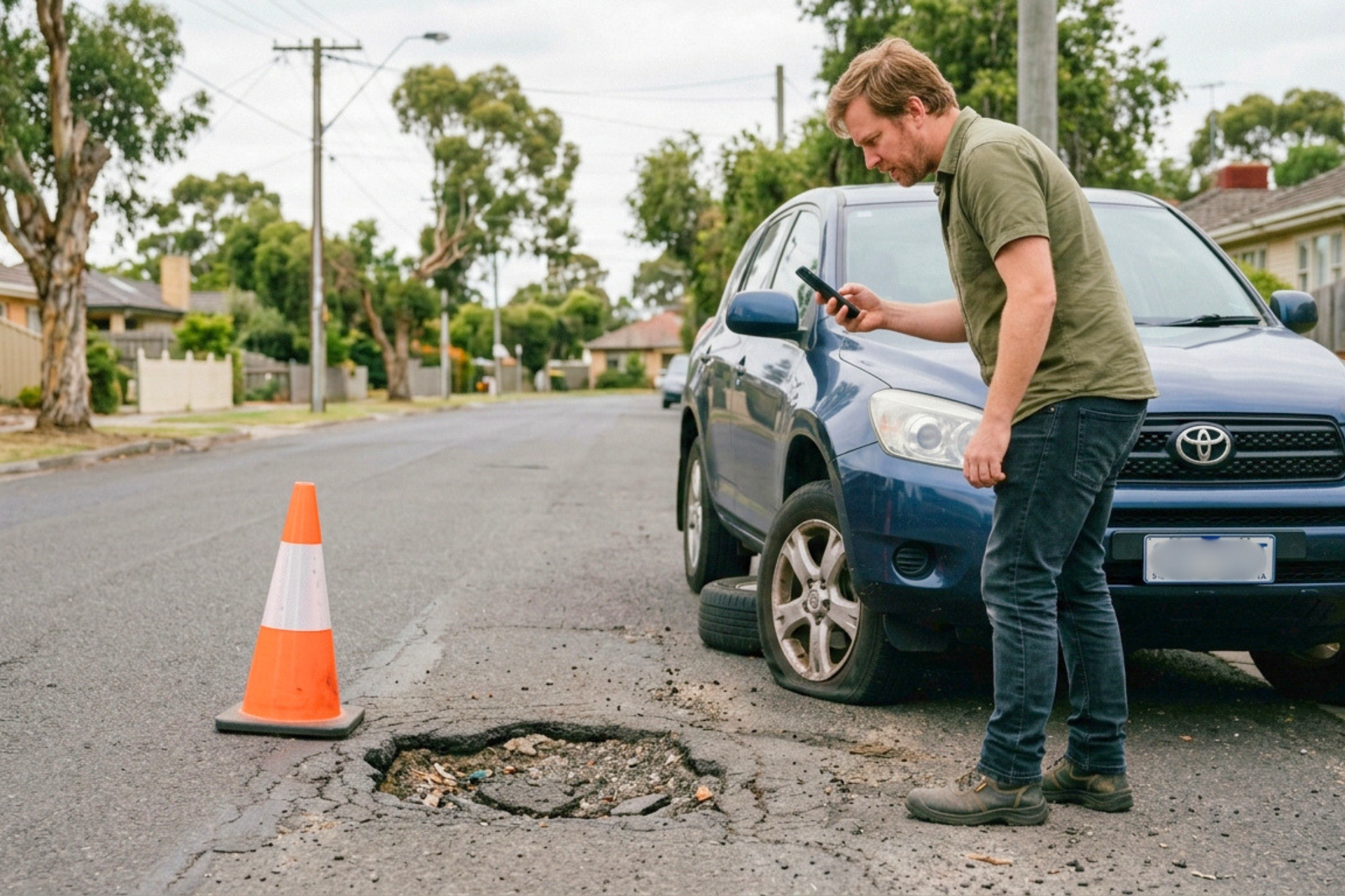
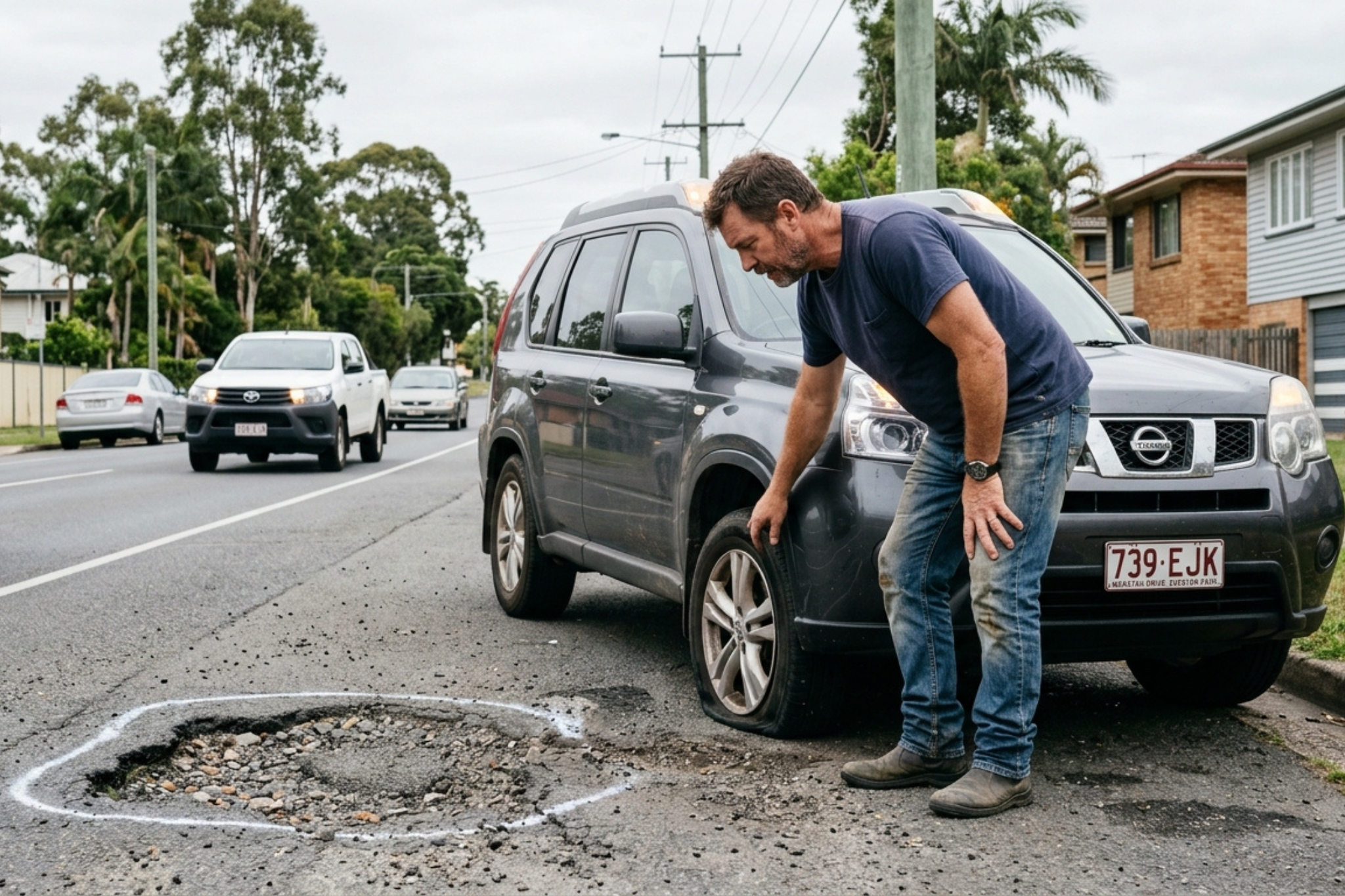
Thousands of Australian drivers are hit with car rental damage claims every year, in many cases for damage they did not cause or know nothing about. But the law and rising use of emerging technology are helping consumers challenge these claims.
Consumer advocates have long warned that the rental process leaves drivers vulnerable. Companies typically hold credit card details on file and apply extra charges to that card after a post-rental inspection, often days after the vehicle has been returned. Without photographic evidence, drivers have little recourse beyond their own records and persistence to challenge charges.
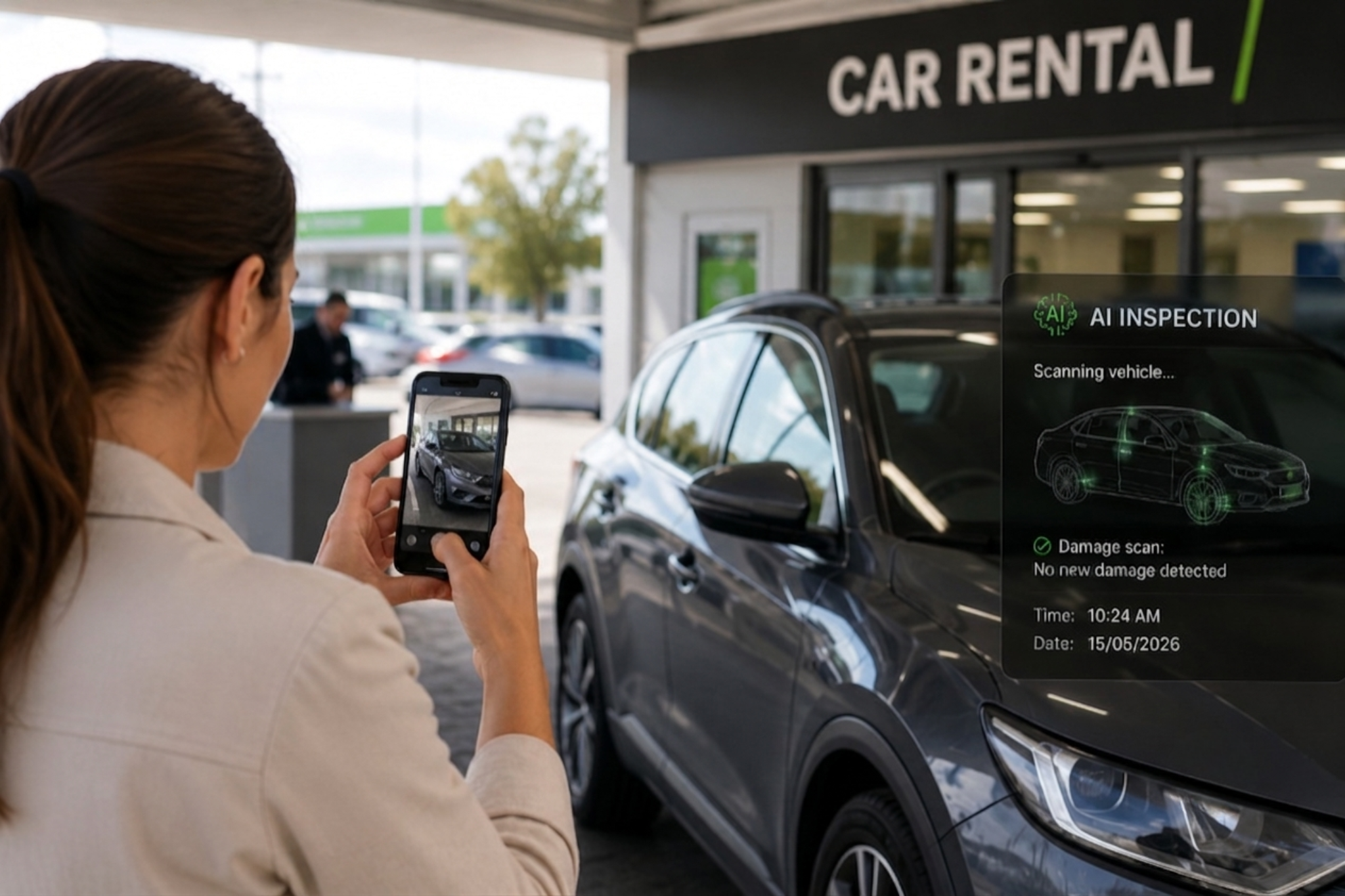
Several major rental firms have started using AI-enabled inspection technology. Unlike traditional inspections, which rely on manual input and can vary between staff members, AI systems generate a standardised digital record of a vehicle’s condition at the moment of handover. They also give companies and consumers better protection.
When are car rental damage claims unfair?
Under Australian Consumer Law (ACL), car rentals are treated as contracts for the supply of services. A term in a standard form consumer or small business contract may be found to be unfair if it causes a significant imbalance in the parties’ rights and obligations, is not reasonably necessary to protect the company’s legitimate interests, and would cause detriment if relied upon. An unfair contract term is void and unenforceable, and businesses can face significant penalties for proposing, using or relying on such terms.
Unfair terms can include those that allow the supplier to vary the upfront price without giving the consumer the right to exit the contract, and terms that penalise a consumer for a breach regardless of whether their breach caused any harm.
Services must be provided with due care and skill. It could be argued that a rental company's proper documentation of a vehicle's condition before it hands over the keys and inspecting it upon your return, is required to demonstrate that it has met that standard.
Since November 2023, proposing, using or relying on an unfair contract term has been unlawful. Businesses can face substantial penalties, with maximum penalties now reaching up to $50 million in some cases.
Holding rental car companies accountable
This all sounds good in theory, but it has also been put into practice. In 2016, the Federal Court found that Europcar Australia’s standard contract terms were unfair and void. These included a damage liability fee of up to $3650 regardless of whether the customer caused the damage or not; and a term that removed the liability cap entirely whenever the customer breached the rental agreement, no matter how minor the breach or if it was connected to the damage. Europcar was ordered to pay $100,000, publish corrective notices and implement an ACL compliance program.
The same year, Hertz Australia entered into a court-enforceable undertaking with the Australian Competition Consumer Commission (ACCC) after the regulator found it had misrepresented damage to their vehicles. The rental company told customers the vehicles had been damaged during their rental when damage was pre-existing, and had charged customers the actual repair cost while receiving discounts from the repairer.
Consumer Affairs Victoria has also called out unfair terms, including making consumers liable for damage outside their control; allowing a charge to a card without warning or the chance to dispute; and imposing liability regardless of fault.
The ACCC’s rental cars industry guide to the ACL states that rental companies must not make consumers liable for damage outside their control; must not use blanket no-fault liability terms; must give customers an itemised bill; and must provide a reasonable opportunity to dispute any credit card deductions.
Why photographs matter so much
The same problem keeps coming up with car rental damage claims: the vehicle wasn’t photographed before it was driven out of the lot.
If a company doesn’t record the vehicle’s condition at the start of the rental, there’s an evidentiary void. If damage is discovered after the car is returned, the company can take a photograph to present as evidence that you caused any damage. But the car could have been sitting in an unattended lot for hours, or the damage had been done before you even hired the car. Where is the proof?
In one documented dispute with Europcar, the claims team confirmed in writing: “Europcar will only photograph the vehicle (close up) when new damage is detected on it, on completion of its rental period.” In other words, the very first photograph of the car taken during that rental period was the post-return damage, after the customer had no access to the vehicle.
Courts and regulators have consistently held that a rental company cannot manufacture an evidentiary gap through its own procedure choices and then shift the burden of that gap to the consumer. The absence of pre-rental photographic evidence is the car company’s issue, not yours.
How is AI affecting car rental damage claims?
The adoption of AI-powered vehicle inspection technology has accelerated across the industry and is strikingly different to the old clipboard and tick-box approach.
Internationally, Sixt operates a Car Gate drive-through scanner that photographs a vehicle as it leaves the bay and again on its return. AI identifies potential new damage and staff review every flagged image before a claim is raised. The customer receives a comparison photo by email if new damage is confirmed
Hertz is rolling out UVeye AI scanners across its American airport network. Thousands of high-resolution images capture each vehicle at rental start and return, creating a time-stamped and dispute-ready record using multi-sensor imaging.
Even operators like GoGet Carshare and DriveMyCar require users to record vehicle condition at the start and end of each rental, typically using smartphone-based inspection tools.
Interestingly, Ravin AI, which worked with Avis and Hertz when those companies were experimenting with AI inspections, now works with insurance companies and dealerships, enabling you to scan your vehicle and get a quick quote on repairs from your phone.
CEO Eliron Ekstein told The Drive that if car rental companies use AI to charge for every insignificant blemish it could go “against their customers in the end”.

What if I receive a car hire damage bill?
The most important thing is to respond promptly, as rental companies typically impose short dispute windows. If you took your own photos before you left the lot and when you returned, make sure you share them. It’s one of the ways you can protect yourself when renting a car. If you didn’t, you still have plenty of recourse.
-
- Request the full evidence package. Ask in writing for all photographs of the vehicle, the pre-rental and post-rental condition reports, the time stamps on any photographs taken, the details of when and where they were taken, as well as the repair invoices.
- Check the time stamps carefully. If the company’s damage photographs were taken after you left the lot, document the time gap. A fuel receipt, toll record, parking ticket or even a phone’s GPS history can establish where you were and when.
- Show you know your rights. Reference the ACCC’s rental car industry guide in your dispute letter and court cases such as the Europcar. You may find the company changes their tune pretty quickly.
- Consider a chargeback. If you paid with a credit card and the charge is disputed, a chargeback can reverse the payment while the dispute is investigated. Block the card if you believe an unauthorised charge is imminent.
If the company doesn’t resolve your car rental damage dispute within a reasonable time, you can report the issue to the ACCC, or contact your state’s consumer affairs authority (such as Consumer Affairs Victoria, NSW Fair Trading, or Consumer Protection WA), or seek legal remedy.
Steer your dispute in the right direction
If you have charge to dispute, make a complaint with us. Handle My Complaint has helped thousands of Australians resolve disputes. Let us help you get the outcome you deserve.