
How to get a good deal on travel insurance
Planning an overseas holiday is always fun but the nuts and bolts, such as travel insurance, can take some of the shine off that getaway.
It is important to work out the type of policy you need. Once you have done that, the next challenge is to ensure you are not paying too much. Travel insurance can be very expensive, depending on where you are going and for how long, so a little research will reap dividends, not just in terms of what you pay but what is covered under the policy.
Here are some ways to help ensure you get a good deal on your travel insurance.
Shop around and compare policies
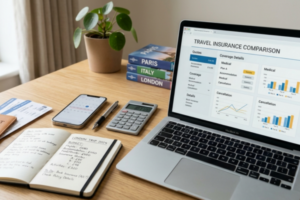
Premiums can vary significantly between insurers for what looks like similar cover. Use an online comparison site, such as Canstar or Finder, to see how providers match up. This will help you find the right level of cover at the right price. Remember, as appealing as the cheapest policy might be, it could cost you a lot more in the long run. It is important to understand the different types of cover and what best suits your needs.
Buy early, just in case
You only pay for the period you are away but your cover generally starts the moment you buy the policy, not when your trip begins. This means if you take out travel insurance two months before you go away, you should be covered for anything that affects your departure from that point on. This could include a sudden illness or a death in the family that means you are no longer able to travel. Some insurers also offer a discount if you pay for your policy in a lump sum rather than instalments. Ask before you pay.
Choose a higher excess
Like car insurance and home and contents insurance, you can take a slice off the upfront cost of your policy if you choose a higher excess – that is the amount you pay towards any claim. Just don’t get carried away with the amount; it still needs to be something you can comfortably afford if you need to make a claim.
Travelling with someone else?
Insurers will often offer a discount for two or more people travelling together on the one policy. Ask for single policy quotes, as well as a joint policy quote, so you can compare the difference in savings across providers. If you are travelling as a family, make sure you compare the cost of policies that meet the needs of everyone who is covered, from youngest to oldest.
Check for bundling discounts
If you already have home and contents, health or car insurance with an insurer, ask if that gives you a discount for travel insurance. Some insurers will also reward returning customers with a discount but you may need to ask, rather than have it applied automatically.
Don’t over-insure
Don’t pay for cover you don’t need. If you are going on a short backpacking holiday with little more than a daypack, basic cover may do the job. If your main concern is your belongings such as an expensive camera or other electronic equipment, rather than your health, you could consider standalone luggage insurance. It also pays to check if you pay for your trip with a credit card if you automatically receive travel insurance. If so, check what it covers before taking out an additional policy. You may be paying twice.
Consider a multi-trip policy
If you travel more than a couple of times a year, be it for business or pleasure, an annual multi-trip policy could be much cheaper than taking out travel insurance each time you book a flight. Check the maximum length allowed for each trip, as most annual policies cap this somewhere between 30 and 90 days. The policy may also only cover certain destinations so factor that into your research, too.

Beware of optional add-ons
Cancel for any reason (CFAR) cover and similar add-ons have become more popular since the pandemic. They can be useful if your plans are uncertain but they tend to cost more and often only refund a percentage of your trip costs, so you need to weigh up if the extra premium is worth it in your case.
Choose your destination wisely
Some trips will automatically cost you more to insure. Keep an eye on global events, such as the war in Iran or natural disasters, and review the Australian Government’s travel advice before you book. It includes green (normal safety precautions); yellow (high degree of caution), orange (reconsider your need to travel); and red (do not travel). While travel insurance is recommended at all levels, the Government warns policies could be void if you travel where the risk is higher.
Read policy details carefully
Yes, we know it’s boring, but it is important. If you have to make a travel insurance claim, you will be in a much stronger position if you know what your rights are. Even if you have used the same insurer for years, don’t assume that the details will remain the same. Premiums, excesses, exclusions and sub-limits can all change from one year to the next, so read the product disclosure statement (PDS) of the new policy carefully before buying.
Don't let your claim miss the flight
Have you bought travel insurance that hasn’t lived up to its promises? Let us help you get what you deserve. Make a complaint with us and we will handle the rest.