Power up: What to do in a telco outage
If the Telstra outage in early July has taught us anything, it’s that a network failure can upend your day in an instant. And telco outages are not unique to any one provider, as Optus customers found out in 2023 and again in 2025.
Whoever you are with, it pays to know why outages happen, what to do when one hits, and if you are entitled to compensation.
Why telco outages happen
While the recent Telstra outage was attributed to the update of one server in Melbourne, there are many different reasons a network might go down. These include:
-
- Severe weather – storms, floods and bushfires can damage towers, exchanges and cabling, particularly in regional and remote areas.
- Network faults – ageing infrastructure or poorly maintained or repaired equipment.
- Equipment failures – hardware breakdowns at exchanges or mobile towers can take time to repair.
- Planned maintenance – work meant to keep networks running smoothly can sometimes trigger the outages it is designed to prevent.
- Cybersecurity incidents – attacks on network infrastructure, though telcos are generally quick to rule out a cyber cause (as Telstra did in July).

What to do during an outage
Check your provider’s outage page. As directed by the industry regulator, the Australian Communications and Media Authority (ACMA), telcos must keep you informed about outages. Telstra, Optus and other major providers publish network status updates, which is usually the fastest way to confirm whether it is network wide or local to your area. It is also worth checking Downdetector, which records outages across a range of sites in real time.
Restart your device. Yes, it’s basic. But just as an IT department at work might tell you to restart your computer to fix an issue, restarting your phone can clear a surprising number of glitches if they are unrelated to a broader outage.
Report the fault. If your provider doesn’t show a known issue in your area, report it through the telco’s app, website or another number so that it is logged.
Keep records. You don’t know how long the outage will last and how it might affect you, your family or your work. Note when the service dropped out, what you tried to do to reconnect and the impact it had, especially any financial costs or losses.
Tips to manage outages
The Telstra outage showed just how much we rely on networks for everyday life, from communication and payments to navigation and emergencies. While outages can't always be prevented, a little preparation can make a big difference when the next one hits.
-
- Have a backup communication plan. Consider keeping a secondary SIM on a different network or, in rural and remote areas, a satellite phone. It also helps to know which networks your family, friends, neighbours and colleagues use so you have another way to stay in touch if one provider experiences an outage.
- Keep outage notifications. Save screenshots of planned outage notifications and check your telco's app or website for updates. If the outage affects your work or costs you money, keep a record of the impact in case you need to seek compensation later.
- Turn on Wi-Fi Calling now. Enable Wi-Fi Calling before you need it so you can still make and receive calls if your mobile network goes down but your Wi-Fi is still working.
- Carry some cash. Many EFTPOS terminals rely on mobile networks. Having a small amount of cash on hand can help if card payments aren't working.
- Download important information. Before you leave Wi-Fi coverage, download maps or routes so you can navigate without mobile data. Screenshot tickets, booking confirmations, addresses and important phone numbers while you're still connected.
- Share your plans. If you're travelling or heading somewhere unfamiliar in an outage, let someone know where you're going and when you expect to be home. If they can't reach you, they'll know where you are.
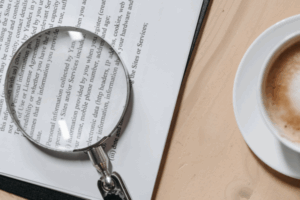
While you can’t prevent a network outage, taking some steps can help you stay connected and reduce the disruption until services are restored. If you do need to make an emergency call, the ACMA has strengthened rules requiring telcos to help ensure Triple Zero calls can be carried by other providers during major outages.
Your rights during an outage
If you are affected by a major outage, your telco has certain obligations under ACMA rules. Providers must:
-
- Proactively notify affected customers during major outages
- Explain the likely cause
- Tell consumers which services and locations are affected
- Give consumers an estimated timeframe for restoration of services
In April 2025, these obligations were extended to smaller, localised outages too, covering areas with 1000 or more affected services in regional Australia (for outages lasting more than six hours) and 250 or more in remote areas (for outages lasting more than three hours).
Telcos must also prioritise keeping customers who are at greater risk of harm, such as older Australians or people with serious medical conditions, connected during an outage, and provide clear next steps if their service does not return automatically once the network has been restored.
What compensation can I get?
If your service was unavailable for an extended period, you may be entitled to a refund or bill credit for that time, even without lodging a formal complaint. Compensation for broader losses, such as those caused by Telstra’s recent outage, generally requires evidence that your telco breached its obligations.
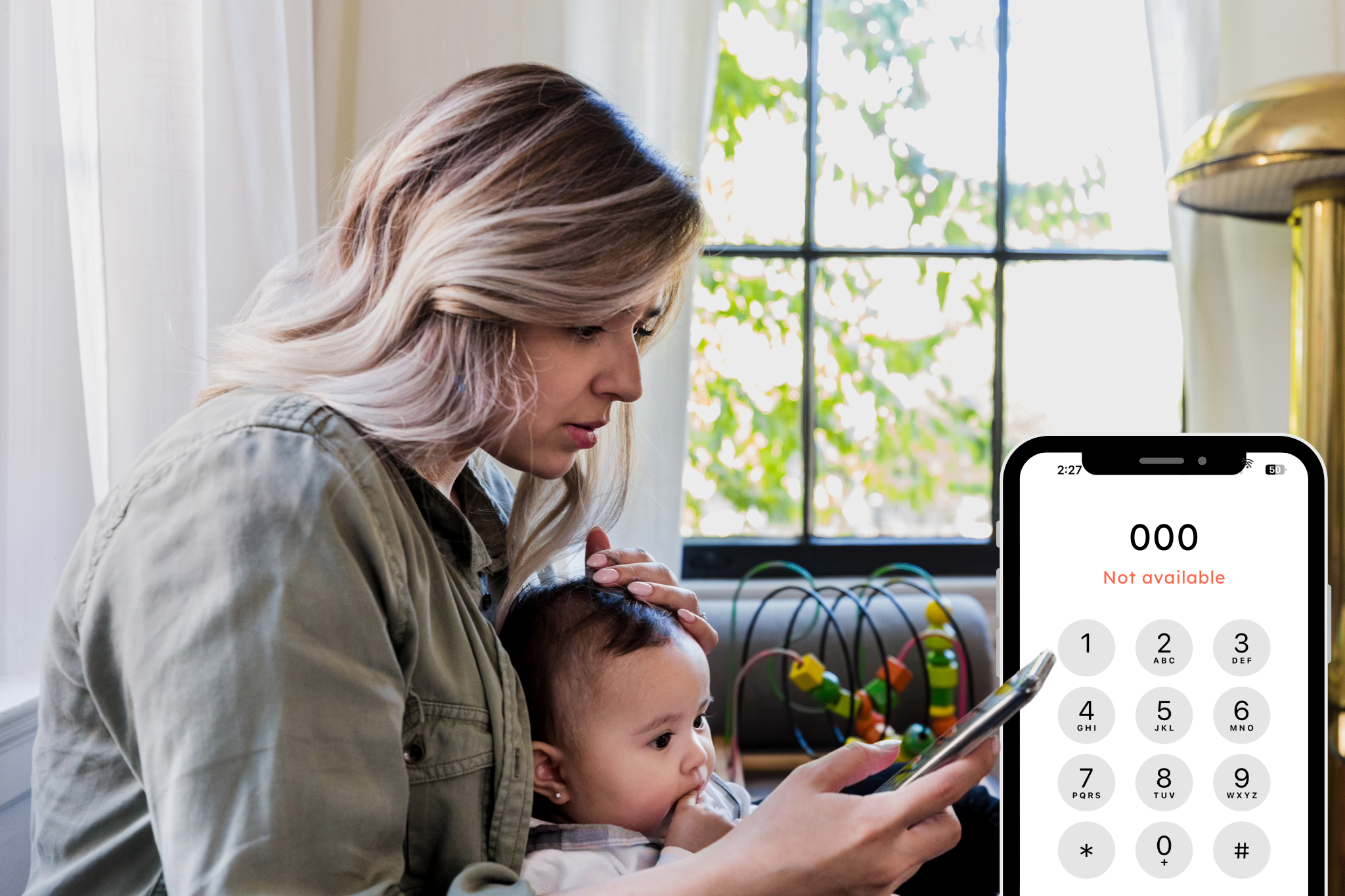
Outages can cost money in terms of lost business, the inability to get to work, or simply paying for a service you can’t use. Then there is the very serious threat of being unable to get through to Triple Zero, as both Telstra and Optus customers have experienced.
The strength of your claim for compensation comes down to how long the outage lasted and how well you have documented its impact. Hold on to anything that strengthens your claim that it was disruptive or costly, such as rosters if you missed paid work, EFTPOS or sales records if you run a business, and screenshots of outage notices or error messages.
The Telecommunications Industry Ombudsman (TIO), which handles disputes between consumers, small business and their telco, also outlines how telcos should handle outages in its Good Practice Guide on Compensation. If you’re not sure if your telco is doing the right thing, this is a good reference point.
If your telco has not responded properly to a claim for compensation or feedback after an outage, lodge a complaint with them first. Ask for the reference number as proof your complaint has been received and keep copies of all correspondence.
If the issue isn’t resolved within the stated timeframe, you can contact the TIO. More Australians than ever are escalating telco complaints to the ombudsman.
Lost the signal? Don't lose your rights.
An outage is frustrating enough without having to fight for your entitlements. Whether you have been affected by the recent Telstra outage or any other network failure, get in touch with us. Handle My Complaint can help manage your complaint without the hassle.