

Saving money: Plan for a brighter new year
Last updated on December 18th, 2025
The end of the year is more than just a date on the calendar – it's a chance to reset and build better habits. If you want to be on stronger financial footing in 2026, start with a plan that makes saving money easier.
A recent consumer survey found more Australians were concerned about day-to-day expenses, with the rise in cost of living, but prioritising saving money was still a focus for 44 percent of the population.
Savings can be found everywhere if you look hard enough and don’t fall for all the shiny sale signs lurking around every corner at this time of year.
Avoid the money traps
If you haven’t yet bought all your Christmas presents, don’t be tempted by last-minute specials for items no-one really needs. Create a realistic budget for presents left to buy and stick to it. Make gifts rather than buy them. Cooks can bake gingerbread biscuits, or make preserves. Crafty people can knit or sew something special or get creative with paint or woodwork. These are thoughtful, heartfelt gifts.
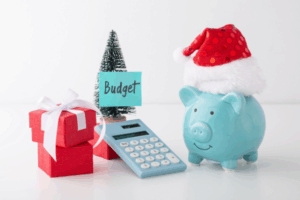
You need to stay strong when the Boxing Day sales arrive, too. If there is a big-ticket item you’re waiting to go on sale, make sure you have the funds to buy it. If you put it on a credit card, you could end up paying even more than the original price in interest. Buy Now, Pay Later (BNPL) may also look like an attractive option, but unless your budget enables you to pay for it over time, you just risk delaying debt. Perhaps ask family to contribute to your fridge fund or similar rather than buying gifts you don’t need.
And don’t fall for deals that look too good to be true. Discounts can be misleading – always compare the price and check the unit price.
Reduce holiday stress
Many Australians are on holiday at this time of year and as we unwind, we can get a bit too relaxed on the spending front, too. If you’re planning to take the family away anywhere over summer, ensure it is somewhere you can afford to pay upfront. Don’t put everything on credit, or you will be paying for it long after the fun is over. If you have to watch every cent each day you are away, don’t put yourself under that stress. Holiday at home.
There are so many enjoyable things to do inside and outside with friends and family that cost either very little or nothing at all. Go to the beach or river for a swim, play board games, go cycling or hiking in the national parks, watch old movies, work on a project together if you’re crafty, or cook up some magic in the kitchen. That doesn’t mean you can’t treat yourselves to a day out or two, just budget for them and look for deals. For example, if you want to take the family to the movies, check out the days that have the cheapest tickets.
One way the whole family could earn a bit of extra cash is to have a holiday clearout. Go through unwanted toys and clothes, even furniture. If you haven’t used it in a while and it’s in good condition, a garage sale could net you a tidy sum.
Stay on budget
Now you’ve got in the swing of things over the holidays, it’s time to make these budgetary measures a permanent part of your life. Budgeting doesn’t have to be intimidating. You can:
-
- Create a spreadsheet in Excel, putting in all your regular expenses such as utilities and rent/mortgage, as well as insurance, and columns for entertainment and saving
- Use apps such as Fudget or Frollo that enable you to tag and monitor spending
- Use a visual saving money calendar or saving money clipart to remind you to stay on track
Apply the 50/30/20 rule – 50 percent of your income on what you need (such as housing, food and transport); 30 percent on what you want to do (such as eating out and movies); 20 percent paying down debt and/or saving money.
MoneySmart suggests setting up separate accounts for spending and saving and ensuring that regular automatic transfers go into your savings accounts as soon as you have been paid, so you’re not tempted to splurge.
Examine your bills
This is a good time to take a closer look at the direct debits that come out of your account each week or month. How much are you paying for your health or home and contents insurance, your phone and internet connection? Use an online comparison tool such as comparethemarket to see if there is a better deal out there.

You could save hundreds, if not thousands, a year looking at simple ways to cut back household costs. Take subscriptions, which are very easy to set and forget. How many streaming services do you have? Are you using them all regularly? If not, cull them. The same goes with music, games, fitness and wellbeing, even meal kits and food deliveries. Cutting back your subscription habit could save you heaps.
Credit card bills should also be scrutinised. Are you paying a premium in interest simply because your credit card holder offers discounts or points toward travel? If you’re spending more than you’re paying off, those benefits may not add up to much at all. See what interest rate deals are out there and switch to a cheaper card for better debt management. Moneysmart’s credit card calculator also shows you how much time and money you would save if you paid more each month.
Create an emergency fund
This safety net could be a life saver when you need it most, such as unexpected car repairs, medical bills or even lost income if you or your partner is unable to work.
Financial advisers recommend an emergency fund with three to six months of living expenses, but this may be outside the realm of many people struggling to meet day-to-day cost of living. It doesn’t matter how you start – even $20 a week adds up over time – but make it a priority for 2026:
-
- Create a dedicated emergency fund
- Automate weekly or fortnightly transfers
- Use Christmas or birthday money to kickstart savings
- Add more when you’re able, such as when you get a tax refund
Linked savings tools, such as a high-interest account separate from your everyday spending, will help keep these funds in reserve.
Set financial goals
What are you hoping to get out of 2026? Would you like a family holiday at the end of the year? Are you saving for a home deposit, or do you want to pay off debt sooner? Having clear financial goals will help you map out your spending and saving spreadsheet, and create a realistic budget for the year ahead. If you are not sure where to start, try a saving money calculator.

If your goal/s is beyond your budget, have a closer look at your expenses. Go through bank statements and determine what is necessary expenditure and what is not. This is not about cancelling fun – if you decide that going out once or twice a week is an important part of your life, you may just need to scale back some of your goals. Saving money is about making smart choices that align with your goals.
Seek help
There are many simple ways to save money to help you stay out of financial trouble. But sometimes mistakes happen that aren’t of our making. Perhaps you've been overcharged or keep getting charged for a subscription you cancelled. Maybe you have some unexpected fees on your credit card or bank statement.
Handle My Complaint helps Australians escalate issues and resolve disputes over everything from bills and charges to faulty products and dodgy services. Whether you are disputing a subscription or a bank fee, expert guidance can take the stress out of trying to get your money back. Make a complaint with us and we will help you handle it.