
Cold comfort: Managing energy bills this winter
As the temperatures drop, the cost of keeping warm adds to the stress in already stretched households. Many face real energy hardship, with about 40 percent of Australians finding it difficult to pay their bill.
The ongoing tension in the Middle East sent shockwaves through global energy markets, with The Australia Institute forecasting a rise in everything from diesel and petrol to gas and electricity. Australians have already been feeling the pain at the bowser, and rising energy bills only add to the cost of living.
But it is not all doom and gloom. There is a lot you can do now to get in front of big jumps in energy bills this winter, and find help if you are struggling to pay them.
Why is my energy bill higher?
Understanding how your electricity or gas bill is calculated is the first step to managing energy costs. Your bill is a combination of a fixed supply charge, that you pay regardless of how much energy you use, and a variable usage charge based on how much energy you use. This is measured in kilowatt hours (kWh), with the average two-person household using roughly 3500 to 4500 kWh of electricity a year. This can vary considerably, however, depending on where you live, the appliances you use, and whether you have gas for heating or cooking.
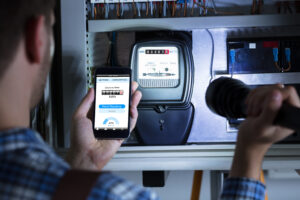
Even before this current global crisis, you may have experienced unexpected spikes in your bill. Reasons could include switching from gas to electric heating without adjusting your plan; a faulty meter; an estimated rather than actual read; or higher tariffs that flow from wholesale prices. Since 2020, benchmark prices set by the Australian Energy Regulator (AER) have jumped more than 70 percent in New South Wales alone.
It pays to find out what your rate is if you live in a state or territory where energy markets are deregulated, meaning you can shop around and choose your gas or electricity provider. Comparison tools such as AER’s Energy Made Easy and Victorian Energy Compare can help you find a more competitive deal. The Australian Competition and Consumer Commission (ACCC) has found that customers who change plans, even with their existing retailer, pay less.
What are practical ways to reduce energy use?
While you may have no control over what’s happening outside your home, there are ways to reduce your energy use. Even small, consistent changes can make a big difference.
-
- Heat smarter. Heating is the biggest driver of winter electricity and gas costs. Set your thermostat to 18C to 20C. Every degree higher can add about 10 percent to your bill. Close doors to rooms you aren’t using; draught proof windows and doors with cheap seals or door snakes; and use heavy curtains and throw rugs to retain warmth. If you have an older heater, investigate the cost of a more efficient reverse-cycle air conditioner.
- Use appliances wisely. Check if your energy provider offers cheaper time of use (TOU) tariffs during off-peak times, when demand for electricity is lower. If you run major appliances such as the dishwasher, washing machine or dryer (as well as your heating system) at off-peak times, you can help reduce your bills, as well as the pressure on the grid.
- Plan for peak periods. Unsurprisingly, the colder times of day, generally first things in the morning and later in the evening, will see spikes in usage across the grid. This, in turn, pushes up the cost of variable rates. Keep an eye on your consumption through your energy provider’s app. Preheat your home before the peak period kicks in and rug up, dressing warmly or adding extra blankets, rather than running the heater all the time.
- Don’t get into hot water. After heating, this is the second largest energy expense for most households. Shorter showers, running the dishwasher only when full and setting your hot water system to know more than 60C can help bring the costs down.
We have plenty more tips to help save on energy bills, as well as a guide to cutting back on household costs – anything to help ease the load.

What can I do if my bill doesn’t look right?
Energy providers do make mistakes in billing. Estimated meter reads, incorrect tariff codes and billing system issues can all result in overcharges that may go unnoticed, particularly if you are expecting higher bills.
When your bill arrives, check:
-
- Is this an actual or estimated read?
- Does the usage figure look reasonable compared with earlier bills?
- How does the bill look against the same time last year?
- Are there fees or charges you weren’t expecting or weren’t on earlier bills?
If something doesn’t add up, act quickly. Document everything, including any meter readings you have made in that period. Take photos if you can and keep all correspondence (mail and email) from your provider. This could be important if you later need to escalate your complaint.
Contact your retailer first, explain the issue clearly and ask them to review the charges. Most energy retailers have an internal complaints process and are required to respond within a reasonable time frame.
If this issue isn’t resolved to your satisfaction, you can escalate to your state or territory energy ombudsman. These independent bodies have real powers to investigate complaints and deliver binding decisions.
What if I can’t pay my bill?
With an estimated 460,000 households across Australia at risk of falling into energy debt, there is a good chance you might be one of them. Don't spiral into a world of worry. Instead, look into the energy hardship support available to you in your state or territory.
The most important thing you can do if you’re struggling is to act early. Contact your provider as soon as you feel the pressure. Under the National Energy Retail Law, all retailers must have an energy hardship policy to help customers having trouble paying. If you live in Western Australia or Northern Territory, which are not part of the National Electricity Market (NEM), similar consumer protections apply.
So don’t wait until you miss a payment. The earlier you reach out, the more options you will have and the less likely you are to face penalties and debt escalation that could affect your credit score.
Spark action on your energy issue
If your retailer isn’t responding as they should, or you feel you are not getting the help you are entitled to under the law, Handle My Complaint can step in. We help consumers prepare strong, well-document complaints and ensure they get to the right people. Make your energy complaint here and let us help you.