Car hire rights: Protect yourself when renting a car
Renting a car in Australia should be straightforward. You pay for the vehicle, drive it, return with a full tank, and head home. But unless you know your car hire rights you could be hit with an extra bill shortly after.
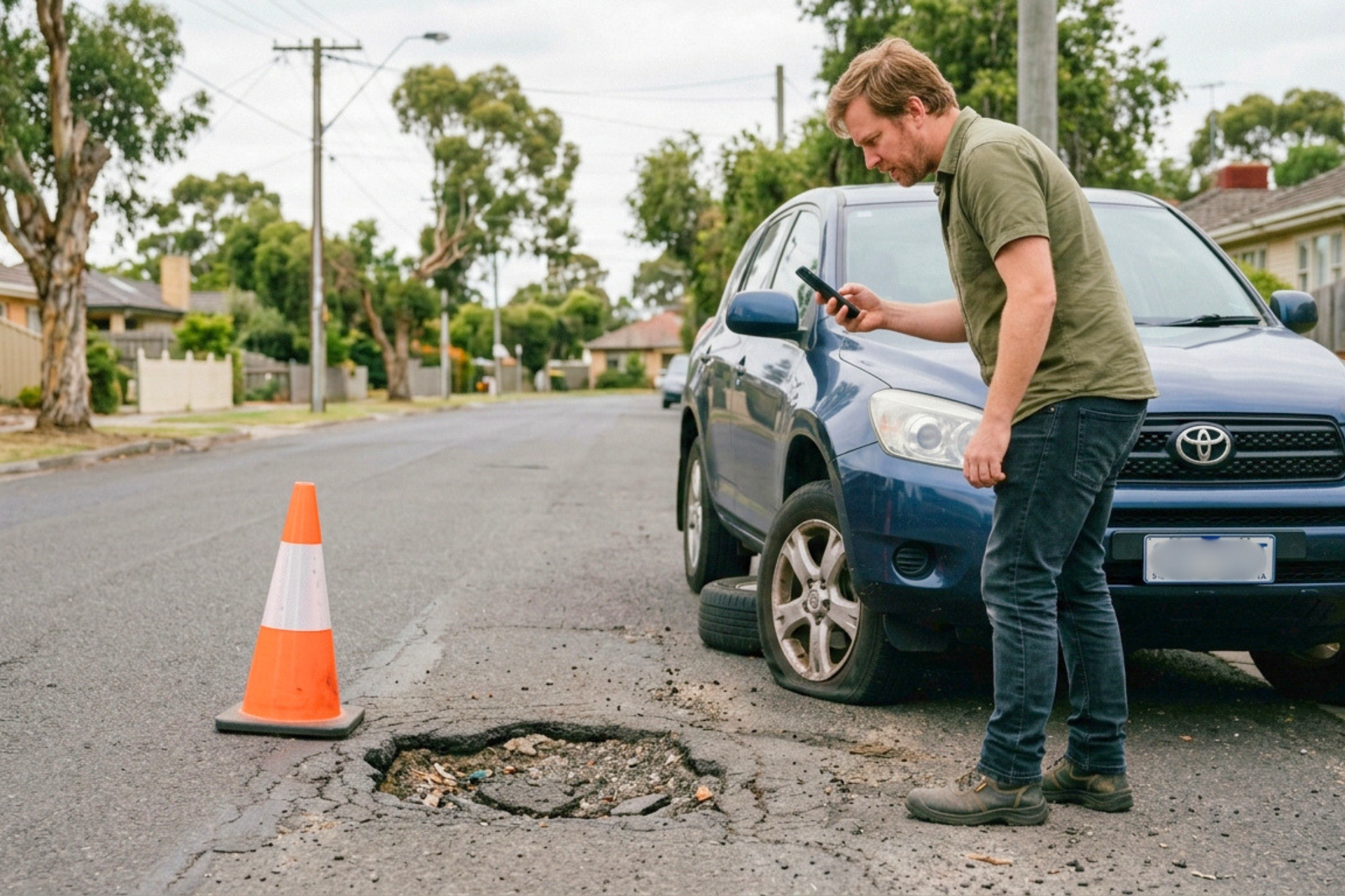
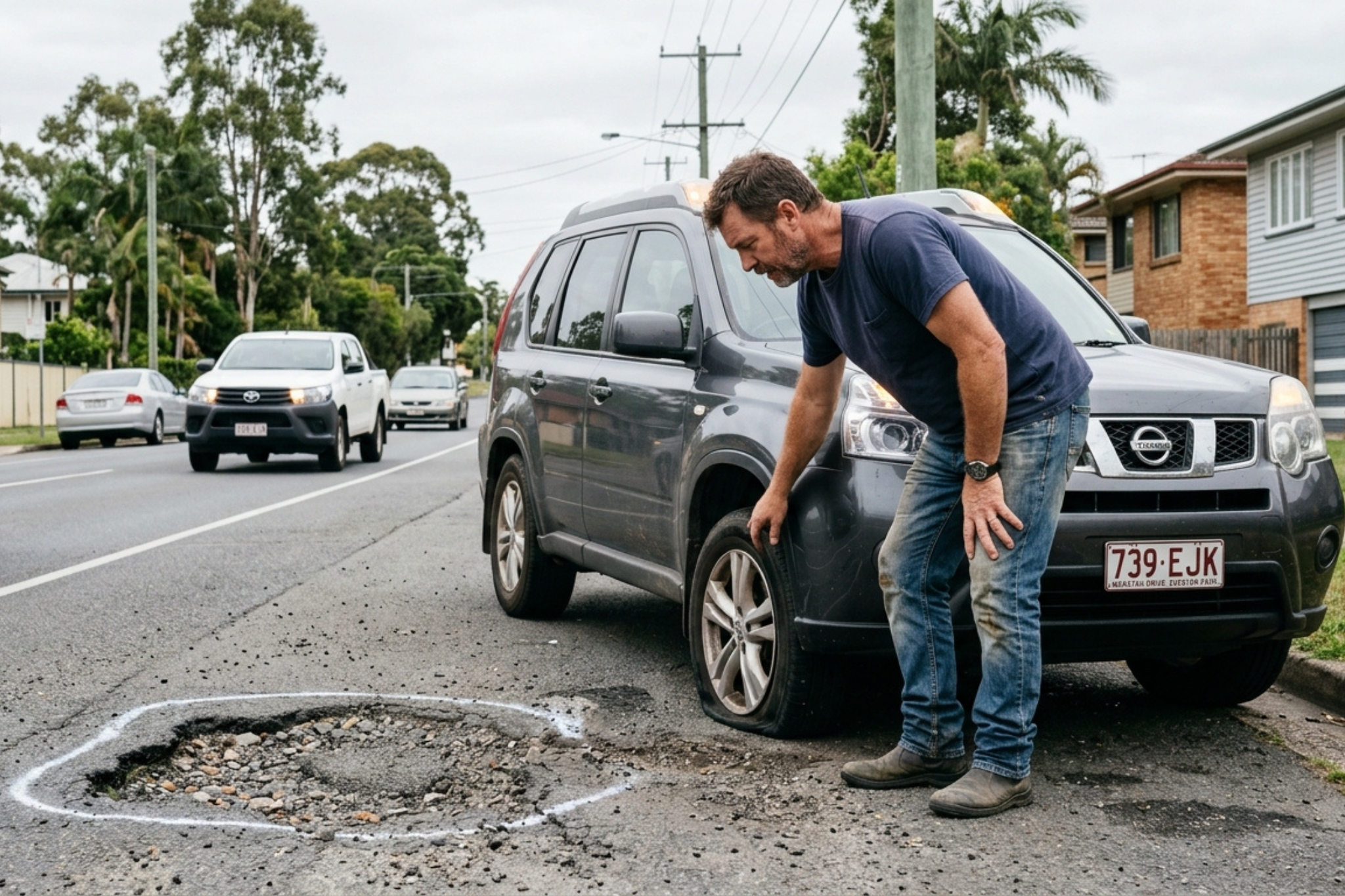
Every year, thousands of Australians receive car rental damage claims after they have returned the vehicle, sometimes in the thousands of dollars. In many cases, they did not cause the damage or it was there before they hired it.
The good news is there are practical steps you can take before, during and after the rental period to reduce your chances of receiving an unfair claim for damages.
Choose (and use) your credit card wisely
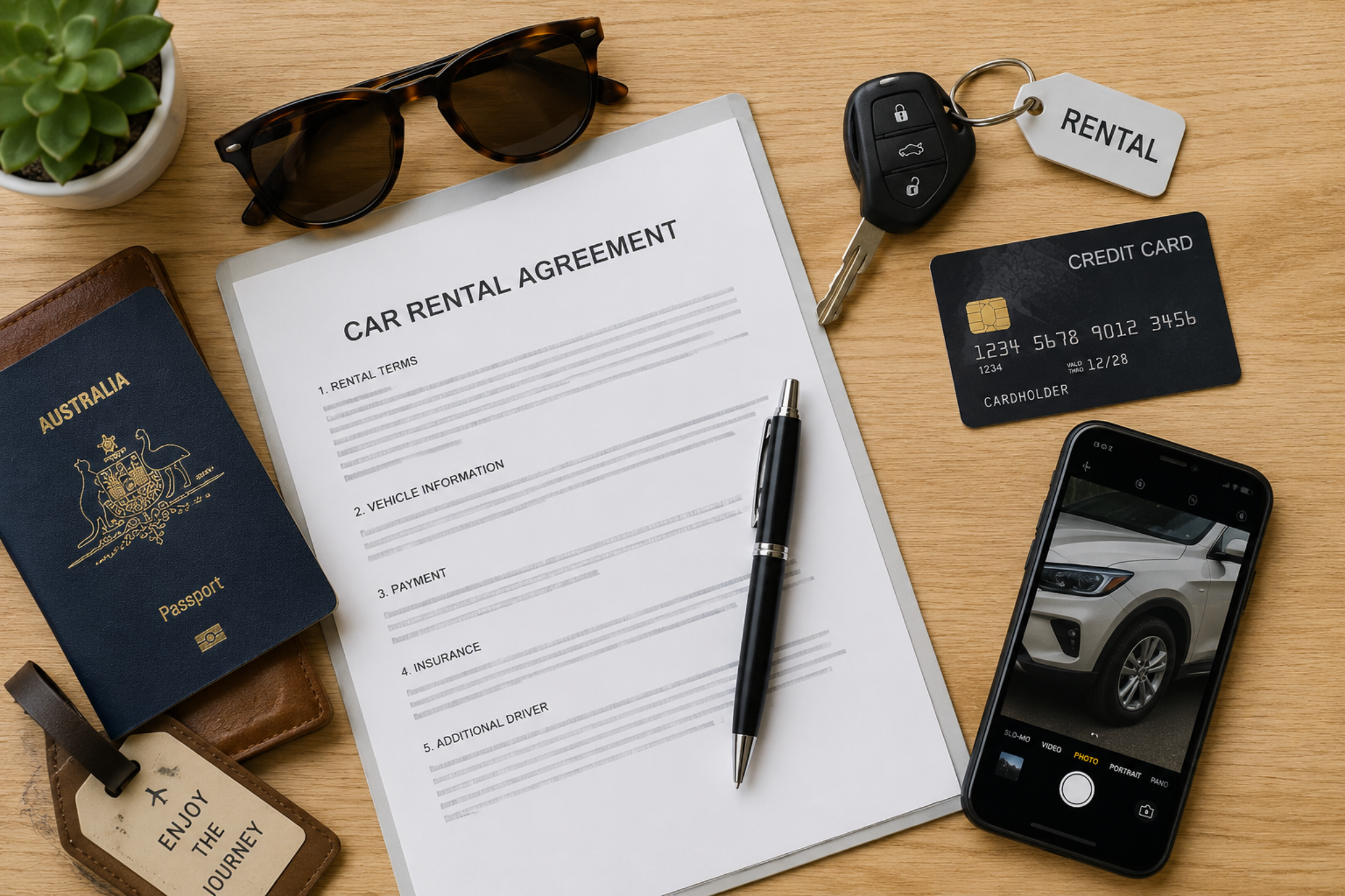
Many premium credit cards include car hire excess insurance as a built-in benefit, so you do not need to pay the rental company’s often inflated excess reduction fee. Check your card’s product disclosure statement (PDS) before you book.
The card you use also matters for dispute purposes. Book with a credit card rather than a debit card, as the former affords you more protection with chargebacks. If a disputed damage charge appears on your account, a chargeback can freeze the payment while the matter is investigated.
If you believe a damage bill you receive is unfair, contact your bank immediately to prevent the company from charging your credit card. They can put a temporary block on the business involved or, if need be, provide you with a replacement card number.

Before you drive away
When you pick up your car, don’t be rushed, even if the agent seems busy. It is very important to take the time to inspect the car and take photographs. Ask if the rental company uses AI to scan vehicles before and after and ensure you have access to copies.
-
- Photograph everything. Before you get in the vehicle, photograph every panel, bumper, rim, windscreen, roof and even underneath. Get close-up shots of any existing scratches, chips, dents or marks. Also capture the odometer, fuel gauge and number plate at the same time.
- Ensure your photos are time stamped. Most smartphones embed the time and date in the image metadata automatically. But if yours doesn’t, take a photo of your phone’s clock or a receipt next to the car so you have an independent record.
- Read the condition report carefully. Every mark you see that isn’t on the company form should be added before you sign. Don’t let the agent brush it off as it could come back to hurt you later.
- Ask about the return inspection process. If the company doesn’t take pre-rental photographs or an AI scanning system, make sure you note that, as you are effectively being asked to accept liability for any damage without a baseline record.
- Film a short video. Walk around the car and film every part before you drive away. A 60-second overview of the vehicle is good protection.
CHOICE recommends time-stamped photos at pick-up and return, as well as asking for a written statement of undamaged return if the company cannot inspect on the spot.
During the rental
If the car sustains any damage while you are in possession of it, document it immediately – whether you are at fault or not.
Photograph the damage in context, noting the time and location and report to the rental company as soon as possible. Delays in reporting could be used against you.
Keep every piece of paper or electronic charge related to the rental: fuel receipts, toll notices, even parking tickets. This will create a time-stamped paper/electronic trail of where you were and when. In a dispute over how damage occurred, this kind of evidence can be very important.
When you return the vehicle
When you return the car, try to be there while the rental company inspects it. Take plenty of your own photos before you hand back the keys, just in case there's a dispute later. Make sure you and the staff member both sign the vehicle condition report, and ask for a copy showing that no new damage was recorded when you returned the car.
If you are returning after hours and the rental company simply has a secure place to drop your key, take extra precautions. Once you leave a car in an unsupervised, accessible space, anything can happen to it.
-
- Film another quick walk-around at dropoff. Make it continuous, time-stamped and covering every panel. Email it to yourself from the lot so it has an independent time stamp.
- Photograph your surroundings. Capture the return bay, any CCTV cameras, the entry gate and the vehicle’s position. This puts your photos in context.
- Get written confirmation where possible. If staff are present, ask for a written “no damage found” note before you leave. If they say they will check later, send a follow-up email immediately confirming the condition of the car before you left.
- Note the time you leave. Again, send yourself an email, make a phone call or use any other method that creates an independent record of your departure time. If a damage photo surfaces later, the gap between your documented departure and the photo’s time stamp could be critical.
Better to be safe than sorry
This may all sound like overkill but it doesn’t take long and can protect you from unfair damage claims. In a case involving Europcar, which was fined for unfair contract terms, a customer was able to produce a fuel receipt showing they had filled up the vehicle at a petrol station and returned it before the office opened, and well before the company’s damage photo was taken.
You want to be able to drive away knowing you have left the car in good condition and are not responsible for any damages that might be attributed to you a few days later. If you do receive an invoice for damages, remember you are protected under Australian Consumer Law and have car hire rights. Don’t be afraid to exercise them.
Don't get stuck in neutral
We have previously outlined what to do if you receive an unfair damages claim, but you can also take the pressure off and let us handle it for you. Handle My Complaint has been solving tricky problems for years and we are here to ensure consumers get the right resolution. Make a complaint with us and we help you with the paperwork and progress.